Status Shuffle
Status Shuffle is a group ideation exercise that uses playing cards to determine status levels across multiple rounds. Participants experience different status positions within a team brainstorming context, discovering how status affects contribution, idea ownership, and group dynamics.
Structure
Setup
Participants sit in small groups of four to six. Each person draws a playing card that determines their status level for the round: face cards represent high status, middle cards represent medium status, and low cards represent low status. Cards are kept hidden.
Round One
The group receives a brainstorming challenge or discussion question. Participants interact and contribute ideas while embodying their assigned status level. High-status participants speak confidently, take up conversational space, and assert their ideas. Low-status participants defer, ask permission to speak, and qualify their contributions.
The Shuffle
After the first round, participants draw new cards and receive new status assignments. The shuffle ensures that each person experiences different status levels across rounds. A participant who was high status in round one might draw a low card for round two.
Multiple Rounds
The exercise runs through several rounds with new card draws each time. Each round presents the same or a similar challenge, allowing participants to experience how the same brainstorming task produces different results depending on the status dynamics in the group.
Debrief
After all rounds, participants reveal their cards and discuss how their status assignment affected their behavior and the group's output. The comparison across rounds reveals patterns: whose ideas were adopted when they were high status versus low status, how the group's creative output changed with different status configurations, and what it felt like to contribute from different positions in the hierarchy.
How to Teach It
Objectives
Status Shuffle develops awareness of how status affects group ideation, demonstrates that the same ideas receive different reception depending on the speaker's status, and builds empathy for colleagues at different levels of organizational hierarchy.
How to Explain It
"Draw a card. Your card determines your status in this group. High cards lead, low cards follow. We will brainstorm a challenge together while you embody your status. Then we will shuffle and do it again with new cards."
Scaffolding
Before beginning, practice basic status physicality with the group so everyone has a shared vocabulary of high and low status behaviors. Start with a simple brainstorming prompt for the first round before moving to more complex challenges.
Common Pitfalls
The most common issue is participants who abandon their status assignment when they have a strong idea. A low-status participant with a great idea should still present it with low-status energy, letting the group experience how status affects reception. Another pitfall is treating the exercise as acting rather than as a genuine group dynamic experiment.
In Applied Settings
Innovation Culture
Status Shuffle demonstrates concretely how organizational hierarchy suppresses ideas from lower-status team members. When participants experience the same idea being ignored at low status and embraced at high status, the case for flattening ideation dynamics becomes visceral rather than theoretical.
Meeting Design
The exercise informs how teams structure their brainstorming sessions. After experiencing Status Shuffle, teams often implement practices like anonymous idea submission or round-robin contributions that reduce the impact of status on ideation.
Facilitation Notes
In professional contexts, the debrief should focus on specific moments where status clearly affected idea reception. Ask participants to identify times in their actual work when they have seen good ideas dismissed because of the speaker's status, and discuss structural solutions.
Skills Developed
Worth Reading
See all books →
Getting to Yes And
The Art of Business Improv
Bob Kulhan; Chuck Crisafulli

The Applied Improvisation Mindset
Tools for Transforming Individuals, Organizations, and Communities
Theresa Robbins Dudeck; Caitlin McClure

Playing Along
37 Group Learning Activities Borrowed from Improvisational Theater
Izzy Gesell
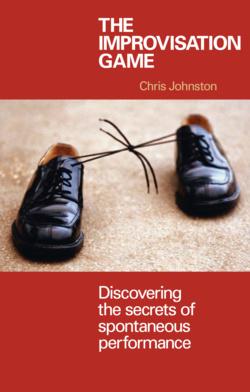
The Improvisation Game
Discovering the Secrets of Spontaneous Performance
Chris Johnston
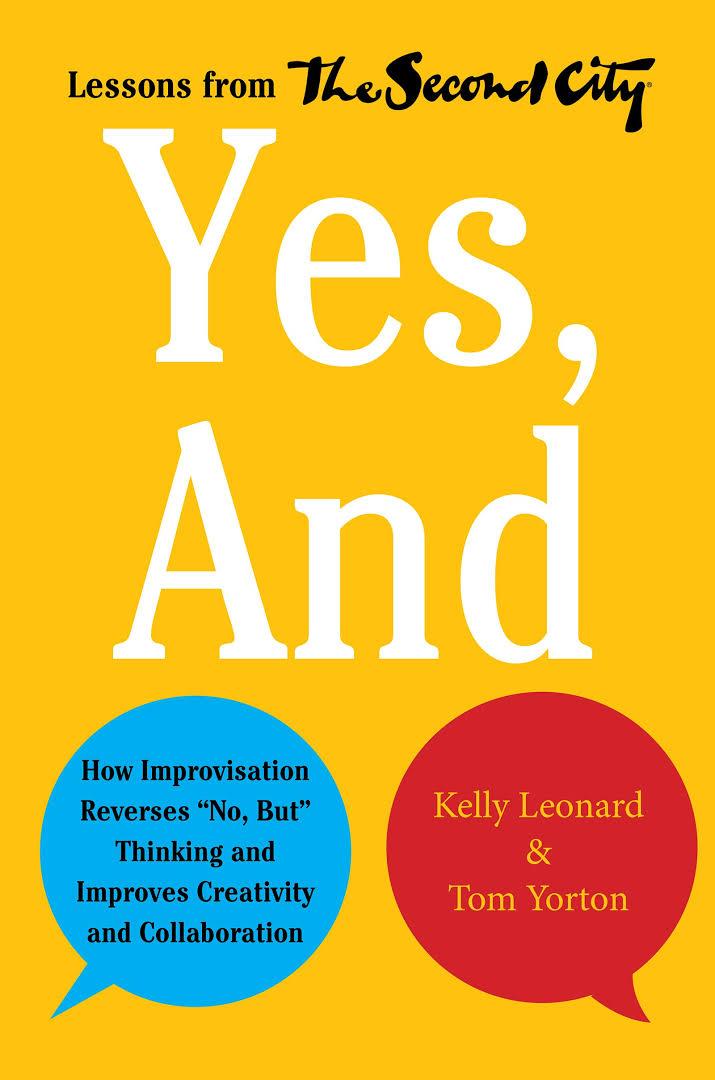
Yes, And
How Improvisation Reverses No, But Thinking and Improves Creativity and Collaboration
Kelly Leonard; Tom Yorton

Business Improv
Experiential Learning Exercises to Train Employees
Val Gee
Related Exercises
Status Picnic
Status Picnic is a group exercise in which participants are assigned status levels and interact at a fictional picnic, exploring how status dynamics shape social behavior, conversation patterns, and group hierarchies in an informal setting.
Status Scene With Numbers
Status Scene with Numbers is a status exercise in which each participant draws a numbered card to determine their status level, then creates a character at that level and interacts with others, learning to embody and read status through physical and verbal behavior.
Card Status
Card Status is a status exercise inspired by Keith Johnstone's work, in which each player is assigned a playing card that determines their social rank in the scene. Players interact according to their card value without revealing it. The exercise makes visible how status differences shape behavior, posture, and communication patterns.
Status Scene With Partners
Status Scene with Partners is a two-person status exercise in which volunteers perform a scene with assigned high and low status roles, then replay the scene with their roles reversed, exploring how status reversal changes the dynamic, power balance, and emotional texture of the same situation.
Flying Idea Cards
Flying Idea Cards is an applied improv exercise in which participants write ideas, observations, or responses on index cards and physically throw them into the shared space of the group. Other participants pick up cards that land near them and build on the ideas written there, adding their own thought before tossing the card back into circulation. The exercise generates a physical, kinetic version of collaborative ideation that removes status from the contribution and allows ideas to be built on without the original contributor being identified.
Social Status
Social Status is a status exercise in which players are assigned numbered ranks and must interact in a social gathering setting while communicating their relative position through body language, vocal tone, and behavior alone. Observers attempt to rank the players from highest to lowest status. The exercise reveals how status operates through subtle nonverbal signals and trains performers to distinguish social rank from behavioral status.
The Lineage
Explore the schools and structures that influenced or evolved from Status Shuffle.
Getting to 'Yes And' (Bob Kulhan)
How to Reference This Page
The Improv Archive. (2026). Status Shuffle. Retrieved September 29, 2026, from https://improvarchive.org/exercises/status-shuffle
The Improv Archive. "Status Shuffle." The Improv Archive, 2026. https://improvarchive.org/exercises/status-shuffle.
The Improv Archive. "Status Shuffle." The Improv Archive, 2026, https://improvarchive.org/exercises/status-shuffle. Accessed September 29, 2026.
The Improv Archive is a systemically maintained repository. The archive itself acts as the corporate author.