The Interrupter
The Interrupter is an applied exercise in which one participant attempts to complete a simple monologue while another participant interrupts them repeatedly with questions, corrections, or tangents. The speaker must find a way to absorb each interruption and return to their thread without becoming reactive or losing their train of thought.
Structure
The Monologue
One participant is given a simple task: explain something they know well, describe a process, or tell a brief story. The topic should be accessible and familiar.
The Interrupter
A second participant interrupts freely, asking questions, offering corrections, changing topics, or going off on tangents. The interruptions are meant to be persistent and varied, not hostile.
The Recovery
The speaker's task is to acknowledge each interruption briefly and return to their original thread. They do not argue with the interrupter or become flustered. They absorb and continue.
The Debrief
After several rounds with different speakers, the group discusses what strategies helped speakers maintain composure and thread continuity under pressure.
How to Teach It
Objectives
The Interrupter builds composure under disruption, a critical skill in live presentations, meetings, and difficult conversations. Participants practice the specific behavior of acknowledgment without derailment.
Facilitation Notes
Coach the interrupter to vary their style: genuine questions, apparent misunderstandings, changing the subject. Predictable interruptions become easy to manage. Varied ones test real flexibility.
Common Pitfalls
Speakers often stop completely and engage the interrupter in a side conversation. The exercise specifically asks them to absorb and return. Stopping is a natural response but the opposite of the skill being trained.
In Applied Settings
Presentation Skills Training
The Interrupter is used in public speaking and communication workshops to train composure under disruption. Presenters practice handling questions, corrections, and audience derailments without losing their structure.
Difficult Conversations
In conflict resolution training, the exercise develops the capacity to hold a position without reactivity when challenged, interrupted, or derailed by an adversarial interlocutor.
Meeting Facilitation
Facilitators use the exercise to build skill in managing group dynamics that include persistent interrupters, ensuring that the primary thread of a meeting can be maintained.
Skills Developed
Worth Reading
See all books →
Business Improv
Experiential Learning Exercises to Train Employees
Val Gee

Improv to Improve Your Leadership Team
Tear down Walls and Build Bridges
Candy Campbell
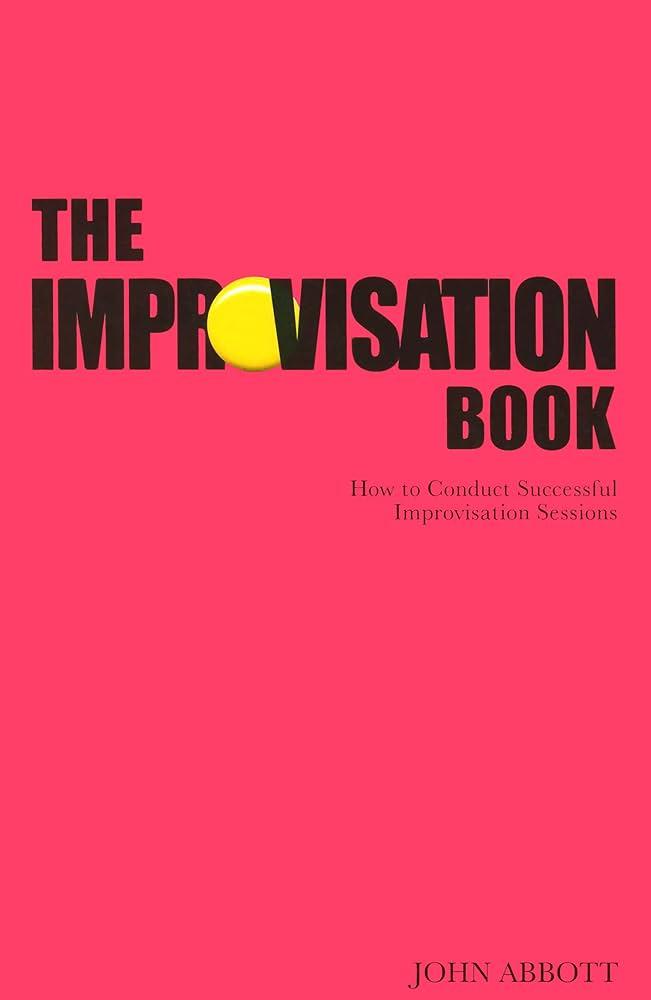
The Improvisation Book
How to Conduct Successful Improvisation Sessions
John S.C. Abbott
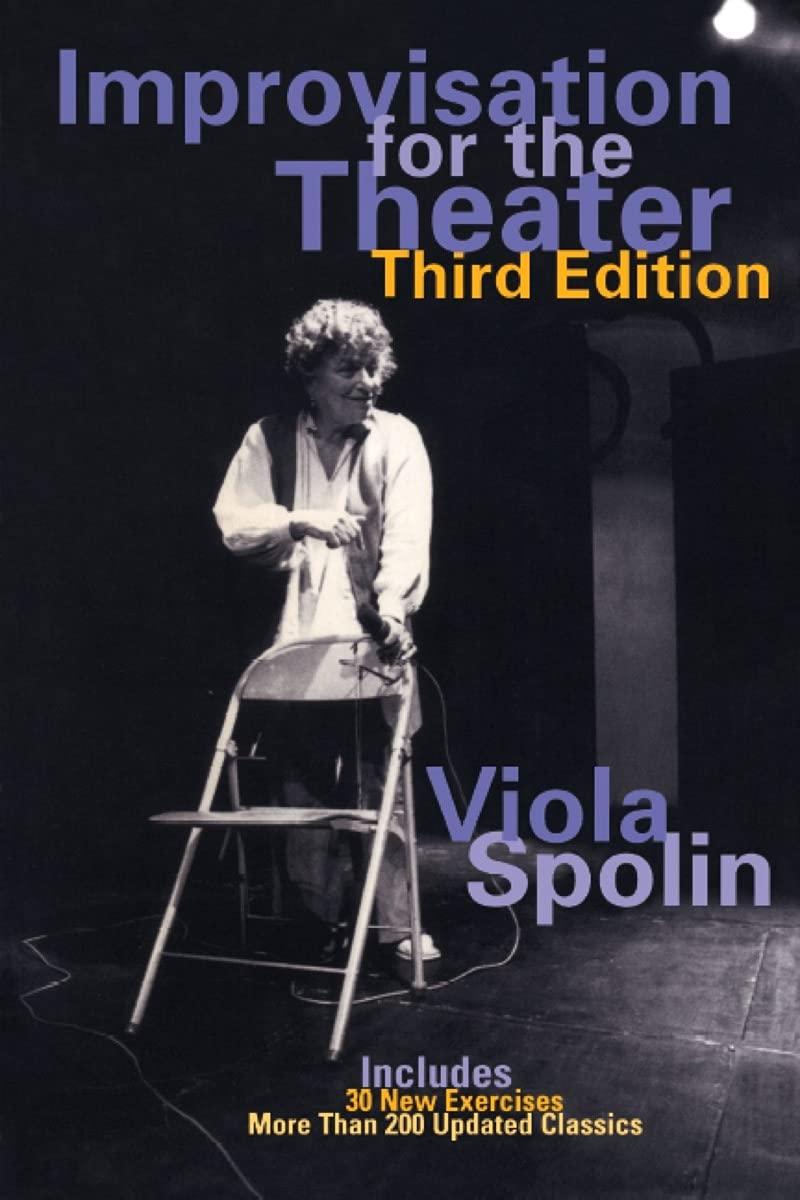
Improvisation for the Theater
A Handbook of Teaching and Directing Techniques
Viola Spolin

Playing Along
37 Group Learning Activities Borrowed from Improvisational Theater
Izzy Gesell
Theater Games for Rehearsal
Viola Spolin
Related Exercises
Interrupting
Interrupting is an applied listening exercise in which one participant tells their family history or personal narrative while a partner interrupts with questions, contradictions, or redirection. The exercise makes viscerally clear the experience of being interrupted -- the loss of thread, the disruption of thought, the shift of attention from the speaker's content to managing the interruption. It is used in communication training to build awareness of interruption as a specific, impactful behavior rather than a neutral conversational habit.
Interrupting Variation
Interrupting Variation is an applied exercise that follows the same structure as the Interrupting exercise, with one change: Person B must apologize each time they interrupt. The exercise explores whether an apology changes the lived experience of being interrupted. Participants typically discover that the apology does little to repair the disruption it follows -- the thread is broken, the moment is lost -- making visible the gap between social acknowledgment of impact and actual mitigation of it.
Harassment
Harassment exercises are scenario-based applied improv activities for recognizing, naming, and responding to harassment situations. Using role-play and improvisational skills, participants practice assertiveness, bystander intervention, and supportive responses to individuals experiencing harassment. The exercises make visible the dynamics of power, complicity, and bystander choice that typical compliance training addresses abstractly, and develop the specific language and physical confidence to act in real situations.
Performance of an Audience
Performance of an Audience is an applied improvisation exercise that explores the reciprocal relationship between performer and spectator. Participants experience both roles, discovering how the quality of attention an audience gives shapes the performer's experience and how conscious, engaged witnessing differs from passive spectating. The exercise builds awareness that presence and attention are active contributions to any group interaction.
Communal Monologue
Communal Monologue is an exercise in which multiple performers deliver a single monologue together, trading off mid-sentence or mid-thought without any performer beginning a new idea. Each speaker must continue seamlessly from where the last one stopped, maintaining the same voice, tone, and thought. The exercise trains verbal listening, agreement, and the construction of a collective voice.
Maintain Focus
Maintain Focus is an applied improv exercise that trains the ability to sustain attention on a single task, conversation, or partner over an extended period despite the presence of distractions -- internal or external -- that would normally pull attention away. The exercise develops the deliberate practice of returning attention to a chosen focus point whenever it drifts, building the cognitive discipline of sustained concentration in group and collaborative settings.
The Lineage
Explore the schools and structures that influenced or evolved from The Interrupter.
Business Improv (Gee & Gee)
How to Reference This Page
The Improv Archive. (2026). The Interrupter. Retrieved September 29, 2026, from https://improvarchive.org/exercises/the-interrupter
The Improv Archive. "The Interrupter." The Improv Archive, 2026. https://improvarchive.org/exercises/the-interrupter.
The Improv Archive. "The Interrupter." The Improv Archive, 2026, https://improvarchive.org/exercises/the-interrupter. Accessed September 29, 2026.
The Improv Archive is a systemically maintained repository. The archive itself acts as the corporate author.