The Power of No is an applied exercise in which participants practice delivering clear, direct refusals without apology, justification, or softening. The exercise builds the skill of setting boundaries with conviction, addressing the tendency to over-explain or hedge that makes no sound like a negotiation rather than a decision.
Structure
The Request
Participants pair up. One person makes a series of requests, ranging from trivial to significant. The requests are genuine in tone but designed to be declined.
The No
The partner declines each request with a direct, complete no, using minimal words: "No." or "No, that does not work for me." They do not apologize, justify, or immediately offer an alternative.
The Hold
After the no, both participants pause for a count of three before the requester moves to the next request. The pause allows the no to land rather than being immediately covered by more words.
The Debrief
Participants switch roles and repeat. The debrief examines what made direct refusal difficult, what compelled additional words, and what it felt like to receive a clear no.
How to Teach It
Objectives
The Power of No builds the specific skill of boundary clarity, the ability to decline without performing regret or manufacturing justifications. The exercise reveals how much habitual softening undermines the message.
Facilitation Notes
Coach participants to notice when they want to add a "but" or a "sorry" after the no. Each addition is material for reflection. The discomfort of the pause after a plain no is the productive zone of the exercise.
Common Pitfalls
Participants often treat the exercise as role-play and produce theatrical refusals. The exercise asks for genuine discomfort with direct refusal, not a performance of authority.
In Applied Settings
Leadership and Boundary-Setting
The Power of No is used in leadership development to address the tendency to over-justify decisions, especially unpopular ones. Clear communication of limits builds rather than undermines trust.
Negotiation Training
Negotiators practice holding a position without elaboration, learning that extended justification invites negotiation while a clear position invites respect.
Wellness and Burnout Prevention
Facilitators use the exercise in programs addressing overcommitment and people-pleasing, building the practical skill of refusal that supports sustainable workload management.
Worth Reading
See all books →
Business Improv
Experiential Learning Exercises to Train Employees
Val Gee
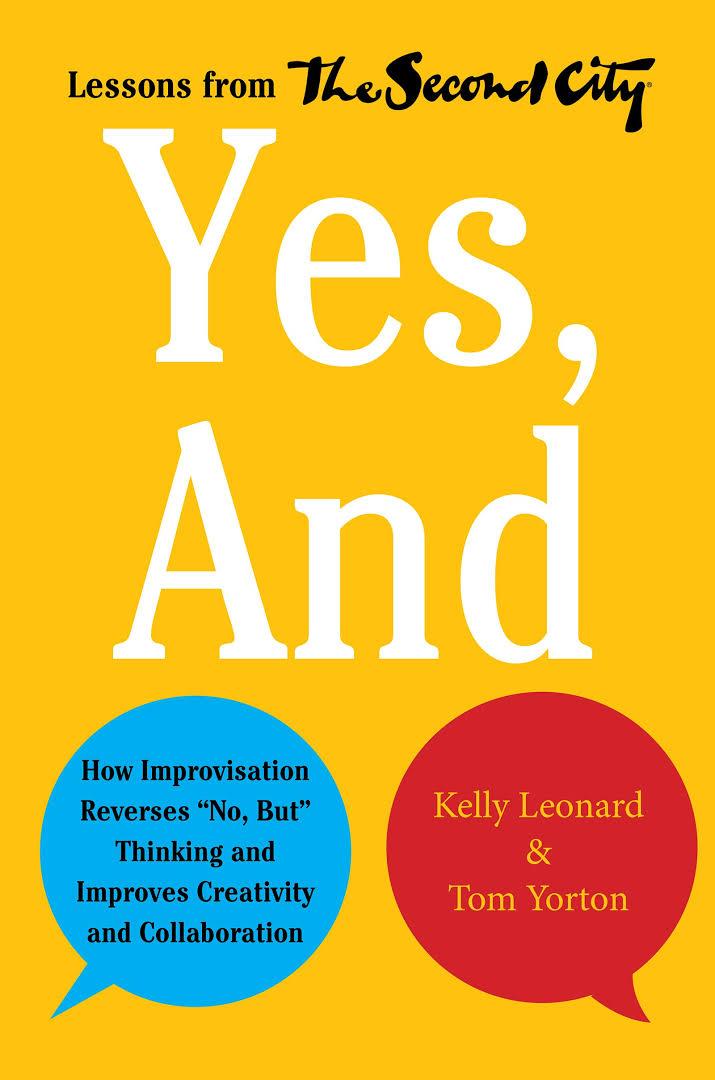
Yes, And
How Improvisation Reverses No, But Thinking and Improves Creativity and Collaboration
Kelly Leonard; Tom Yorton

Getting to Yes And
The Art of Business Improv
Bob Kulhan; Chuck Crisafulli

The "Yes And" Business Evolution
Improv Skills for Leadership and Life
Tracy Shea-Porter

When I Say This, Do You Mean That?
Enhancing Communication
Cherie Kerr; Julia Sweeney
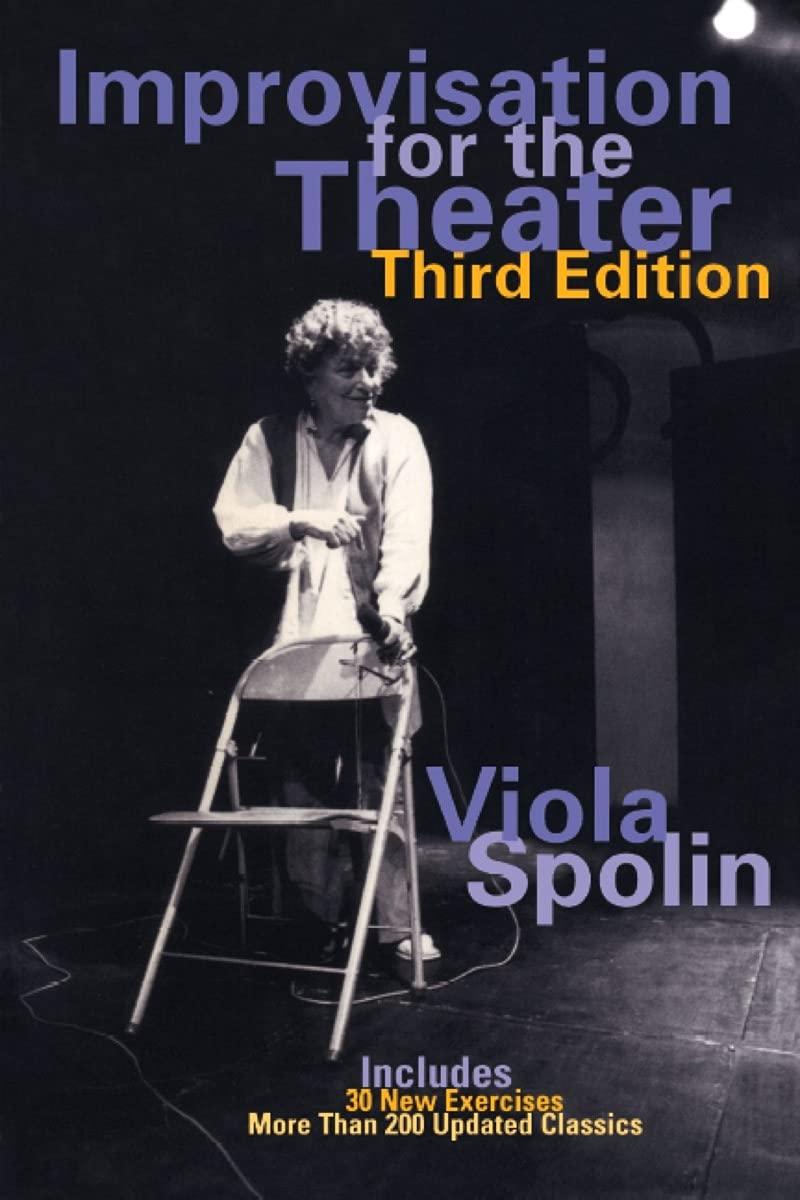
Improvisation for the Theater
A Handbook of Teaching and Directing Techniques
Viola Spolin
Related Exercises
The Cycle of Deep Yes And
The Cycle of Deep Yes And is an applied exercise in which participants practice full acceptance and active building in paired conversation, moving through multiple rounds that progressively deepen their commitment to the yes-and principle. The exercise trains the habit of genuine affirmation before contribution.
Identify When People Say No
Identify When People Say No is an applied observation exercise in which participants track the frequency, pattern, and context of refusals or resistance they encounter in their professional environment over a set period. By counting how many times others decline, deflect, or block their requests -- and by noting the time of day, questioning style, relationship context, and group dynamics associated with each refusal -- participants build data-informed awareness of their own influence and communication patterns.
The Power of Questions
The Power of Questions is an applied exercise in which participants practice formulating genuinely open, curiosity-driven questions and experience how the quality of a question shapes the depth and direction of a conversation. The exercise trains the habit of asking questions that open rather than close, explore rather than confirm.
The Five Second Rule
The Five Second Rule is an applied exercise in which participants practice making quick decisions and committing to them within a strict five-second window. The exercise builds decisiveness by interrupting the overthinking patterns that stall action and erode confidence.
Delegation
Delegation is an applied improvisation exercise in which groups create silent human tableaux depicting delegation at its worst and its best. Using only bodies and physical relationships -- no words, no props -- participants explore the dynamics of empowerment, control, and collaborative trust that characterize effective and ineffective delegation. The exercise surfaces assumptions about authority, ownership, and trust in ways that verbal discussion alone often cannot reach.
Drawing the Line
Drawing the Line is an applied improvisation exercise in which participants explore personal and group boundaries through physical and verbal activities. Using the stage space and structured improvisational scenarios, participants develop practical awareness of where their own comfort limits are, how to name and communicate those limits clearly, and how to recognize and respect the limits of others. The exercise is used in ensemble-building, trust work, and applied settings focused on consent and professional boundary-setting.
The Lineage
Explore the schools and structures that influenced or evolved from The Power of No.
Business Improv (Gee & Gee)
How to Reference This Page
The Improv Archive. (2026). The Power of No. Retrieved September 28, 2026, from https://improvarchive.org/exercises/the-power-of-no
The Improv Archive. "The Power of No." The Improv Archive, 2026. https://improvarchive.org/exercises/the-power-of-no.
The Improv Archive. "The Power of No." The Improv Archive, 2026, https://improvarchive.org/exercises/the-power-of-no. Accessed September 28, 2026.
The Improv Archive is a systemically maintained repository. The archive itself acts as the corporate author.