The Cycle of Deep Yes And
The Cycle of Deep Yes And is an applied exercise in which participants practice full acceptance and active building in paired conversation, moving through multiple rounds that progressively deepen their commitment to the yes-and principle. The exercise trains the habit of genuine affirmation before contribution.
Structure
Round One
Participants pair up. One person makes a simple statement about any topic. The partner says yes, paraphrases what they heard to confirm acceptance, and adds a new statement that builds on it. They switch roles after each exchange.
Round Two
The paraphrase is dropped. Partners simply say yes aloud, pause for a moment to physically receive the statement, and then build. The pause after yes is the key structural element.
Round Three
The spoken yes is removed. Partners build directly from the previous statement, but the full-acceptance pause remains. The exercise asks whether the yes-and can be felt without being announced.
Debrief
Partners discuss what changed across the three rounds and what the pause revealed about their listening habits.
How to Teach It
Objectives
The Cycle of Deep Yes And isolates acceptance as a separate act from building. Many practitioners say yes and immediately begin formulating their addition, treating acceptance as a verbal formality. The pause forces a full moment of receiving before contributing.
Facilitation Notes
The transition from Round One to Round Two can feel abrupt. Give participants a moment to notice that the paraphrase was functioning as a delay and that the pause can serve the same absorptive function without extra words.
Common Pitfalls
In Round Three, participants often rush through the pause or eliminate it entirely. Remind them that the pause is the exercise. Without it, they have returned to surface yes-and.
In Applied Settings
Leadership and Management Training
The exercise is used with managers to develop listening before advising. The pause-before-contributing habit directly addresses the tendency to begin problem-solving before the speaker feels heard.
Conflict Resolution Workshops
In mediation and negotiation training, the cycle demonstrates that building on another's position requires genuine understanding of it first. Acceptance is a precondition for productive collaboration.
Team Communication Programs
Facilitators use the three-round progression to show teams that yes-and is not a verbal tic but a discipline, and that the depth of contribution depends on the depth of acceptance.
Skills Developed
Worth Reading
See all books →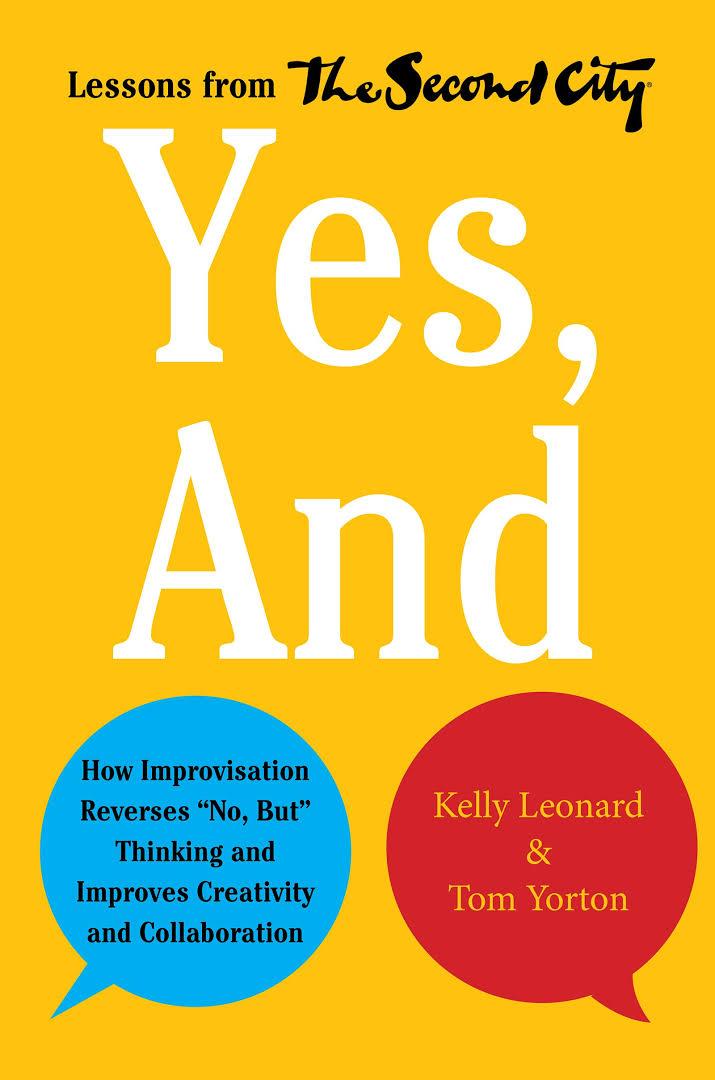
Yes, And
How Improvisation Reverses No, But Thinking and Improves Creativity and Collaboration
Kelly Leonard; Tom Yorton

Getting to Yes And
The Art of Business Improv
Bob Kulhan; Chuck Crisafulli

The "Yes And" Business Evolution
Improv Skills for Leadership and Life
Tracy Shea-Porter
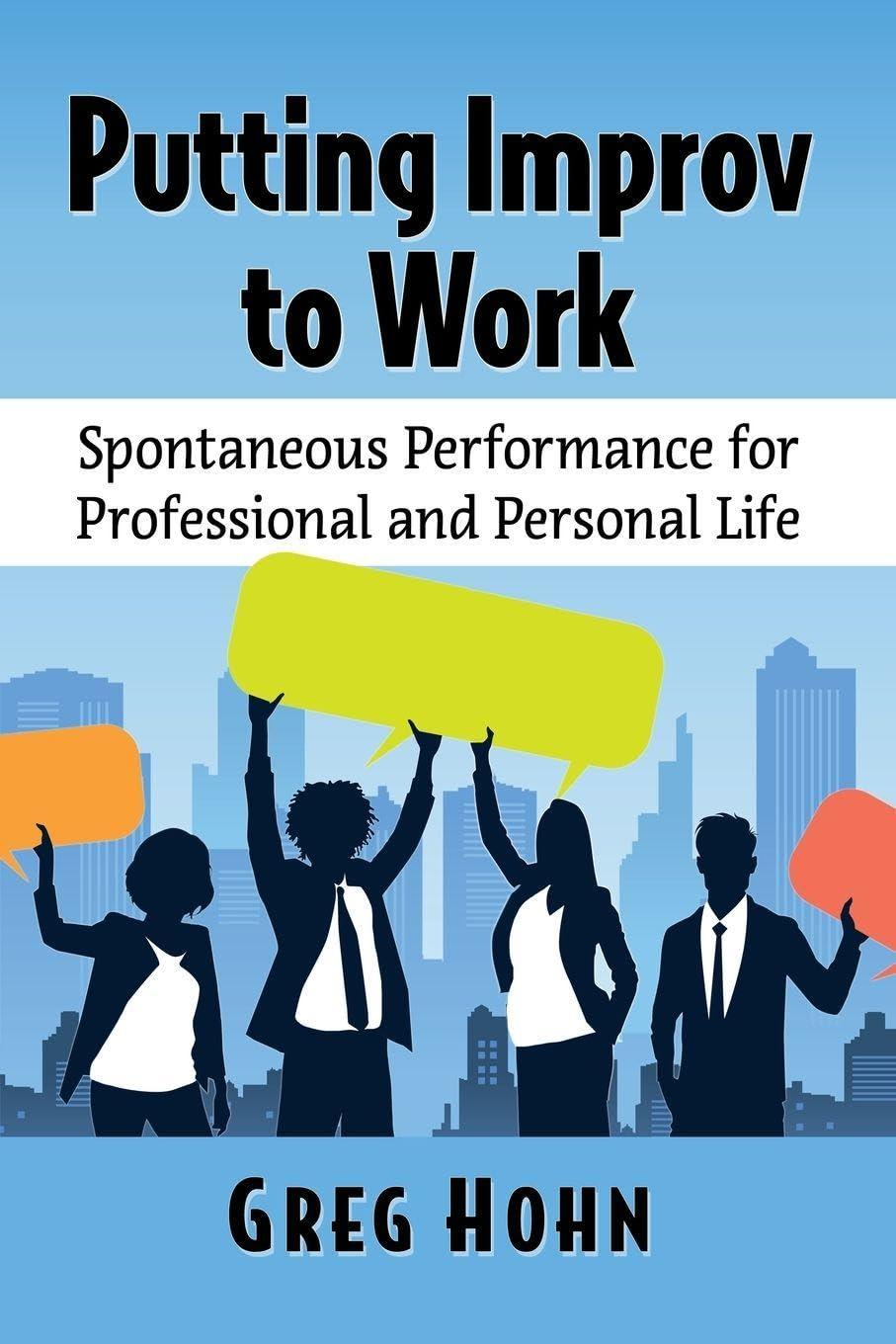
Putting Improv to Work
Spontaneous Performance for Leadership, Learning, and Life
Greg Hohn

When I Say This, Do You Mean That?
Enhancing Communication
Cherie Kerr; Julia Sweeney

The Applied Improvisation Mindset
Tools for Transforming Individuals, Organizations, and Communities
Theresa Robbins Dudeck; Caitlin McClure
Related Exercises
Count Yes/No in a Day
Count Yes/No in a Day is an applied improvisation awareness exercise in which participants track how many times they say 'Yes' and 'No' across all their communication channels over the course of a day or a designated week. The exercise builds awareness of habitual agreement and refusal patterns, revealing whether participants' default conversational moves align with their stated values around collaboration and openness.
The Power of No
The Power of No is an applied exercise in which participants practice delivering clear, direct refusals without apology, justification, or softening. The exercise builds the skill of setting boundaries with conviction, addressing the tendency to over-explain or hedge that makes no sound like a negotiation rather than a decision.
Three-Second Pauses
Three Second Pauses is an applied exercise in which participants practice inserting a deliberate three-second pause before responding to any question or statement, building the habit of active listening over reactive reply. The pause allows full processing of what was said before generating a response.
Pass Yes
Pass Yes is a circle warm-up in which players attempt to say the word "yes" at the exact same moment as a partner. One player turns to a neighbor and both try to speak simultaneously, then the receiving player turns to the next person and repeats the process. The exercise trains listening, eye contact, and the willingness to synchronize with another person rather than lead or follow.
Repetition
Repetition is a paired listening exercise in which participants hold a conversation one sentence at a time, with each person required to repeat their partner's last statement before responding. The exercise forces genuine listening by making the repetition a prerequisite for the reply.
The Five Second Rule
The Five Second Rule is an applied exercise in which participants practice making quick decisions and committing to them within a strict five-second window. The exercise builds decisiveness by interrupting the overthinking patterns that stall action and erode confidence.
The Lineage
Explore the schools and structures that influenced or evolved from The Cycle of Deep Yes And.
Applied Improvisation (Dudeck & McClure)
How to Reference This Page
The Improv Archive. (2026). The Cycle of Deep Yes And. Retrieved September 29, 2026, from https://improvarchive.org/exercises/the-cycle-of-deep-yes-and
The Improv Archive. "The Cycle of Deep Yes And." The Improv Archive, 2026. https://improvarchive.org/exercises/the-cycle-of-deep-yes-and.
The Improv Archive. "The Cycle of Deep Yes And." The Improv Archive, 2026, https://improvarchive.org/exercises/the-cycle-of-deep-yes-and. Accessed September 29, 2026.
The Improv Archive is a systemically maintained repository. The archive itself acts as the corporate author.