Virus
Virus is a physical ensemble exercise in which one player begins with a specific behavior, sound, or movement that spreads to others through proximity or contact, eventually infecting the whole group. The exercise demonstrates how energy and impulse propagate through an ensemble and trains players to notice and respond to the influence of their partners.
Structure
Setup
Participants move through the space or stand in a loose configuration. One player is secretly designated as the initial carrier, or a player simply begins the exercise by initiating a behavior.
Exercise
The carrier begins a repetitive behavior: a sound, a gesture, a movement pattern, or a combination. As other players come within proximity, the behavior begins to spread to them. Each newly infected player continues the behavior and in turn spreads it to players who have not yet been affected.
The exercise continues until all players have been infected and the group is performing the behavior together. The facilitator may then call an end or introduce a second carrier with a different behavior.
Variation
In a multi-strain variation, two carriers begin simultaneously with different behaviors. Players who come into contact with both carriers must negotiate which behavior they adopt or synthesize the two behaviors into a hybrid. The exercise then explores how competing influences interact within an ensemble.
How to Teach It
How to Explain It
"One player is secretly infected with a behavior: a phrase, a gesture, a physical tic. As the scene continues, they infect others through contact or proximity. Infected players adopt the behavior without announcing it. The scene continues as the virus spreads."
Objectives
Virus trains players to notice and respond to the subtle influence of their partners' energy and behavior. The exercise makes visible a dynamic that is usually implicit in scene work: one player's specific physical and emotional choices propagate through the ensemble and shape the collective reality of a scene. By making the propagation mechanism explicit and physical, the exercise builds sensitivity to the ensemble-level effects of individual choice.
Facilitating the Exercise
Encourage players to spread the behavior gradually, not immediately. The exercise works best when players are genuinely attending to proximity and contact rather than performing a predetermined social game. If the behavior spreads too quickly, slow the exercise by requiring sustained contact before infection occurs.
Debrief by asking players to describe what they noticed about the moment of being infected: did they resist? Did they choose to adopt the behavior or did they find themselves already doing it? The distinction between active adoption and involuntary absorption is a productive entry point into discussion of ensemble influence.
Applications
The exercise works as a warm-up or as a focused training exercise for groups working on presence and attunement. In applied settings, the propagation metaphor connects to discussions of organizational culture and how individual behavior shapes group norms.
History
John Kelley documents "The Virus" in Improv Ideas (2004), a comprehensive collection of improv exercises and scenarios for educational and workshop use. The exercise belongs to the family of contagion and propagation games found across physical theatre and drama education traditions, which use the metaphor of infection to dramatize how behavior and energy spread through groups.
No single originator is documented in published improv sources. The metaphor of viral propagation as a model for ensemble influence appears across multiple improv writers, who use the image to describe how focus, commitment, and energy spread from one player to the group.
Worth Reading
See all books →
Improvisation for Actors and Writers
A Guidebook for Improv Lessons in Comedy
Bill Lynn

Improv Ideas
A Book of Games and Lists
Mary Ann Kelley; Justine Jones
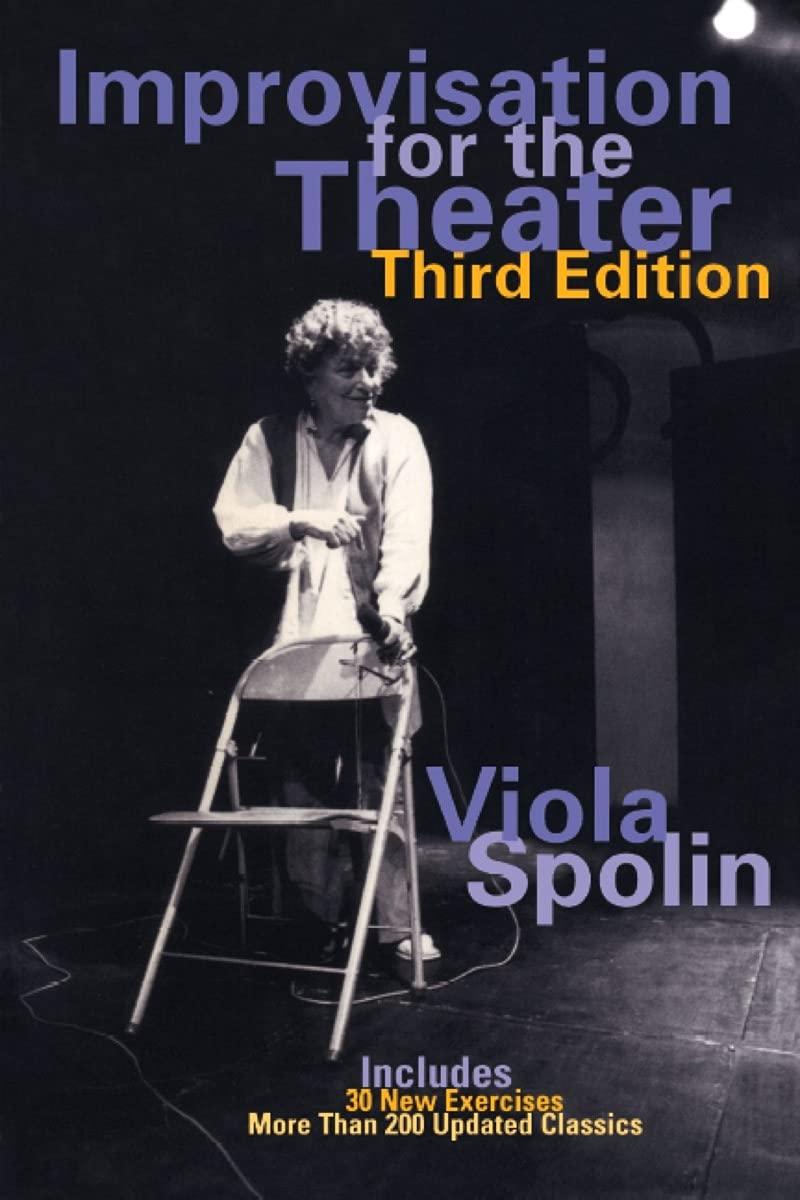
Improvisation for the Theater
A Handbook of Teaching and Directing Techniques
Viola Spolin

The Young Actor's Book of Improvisation
Dramatic Situations
Sandra Caruso; Susan Kosoff
The Improvisation Game
Discovering the Secrets of Spontaneous Performance
Chris Johnston

Acting Through Improv
Improv Through Theatresports
Lynda Belt; Rebecca Stockley
Related Exercises
Rituals
Rituals is a scene exercise in which performers explore the behavioral rhythms of repeated, patterned actions: the small ceremonies people perform when making coffee, setting a table, greeting a colleague, or preparing for sleep. By slowing down and physicalizing the precise sequence of a ritual, players develop attention to behavioral specificity and discover that the way a character moves through their routines reveals character, relationship, and emotional state as clearly as explicit dialogue.
Popcorn
Popcorn is an ensemble energy exercise in which players crouch on the ground and pop up one at a time to shout a word, sound, or short phrase before dropping back down. The group must self-regulate so that pops do not overlap and the rhythm stays dynamic. The exercise builds group awareness, spontaneity, and the instinct to fill empty space without stepping on others.
Roller Coaster
Roller Coaster is a physical ensemble exercise in which players mime riding a roller coaster together, reacting as a group to the imagined drops, climbs, sharp turns, and loops. The exercise requires coordinated physical and vocal response to a shared imaginary experience and functions as an energizer that builds ensemble synchronization through committed physical play.
Predator/Defender
Predator Defender is an applied improvisation exercise from Putting Improv to Work in which each player secretly chooses one person as their predator and another as their defender. On the signal to move, everyone must keep their defender between themselves and their predator at all times, creating a dynamic, self-organizing system of constant movement.
Barney
Barney is an energy and movement warm-up exercise in which players adopt an exaggerated, lumbering physical character and interact with the group through simple, playful commands. The exercise asks participants to embody a large, slow, friendly creature (often described as a dinosaur or monster) and move through the space with maximum physical commitment and minimum self-consciousness. The inherent silliness of the character lowers inhibitions quickly, making Barney effective as an early warm-up for groups that are new to physical work or uncomfortable with large physical choices. The exercise builds comfort with exaggerated movement, vocal projection, and the willingness to look ridiculous in front of others, all foundational skills for improv performance.
How to Reference This Page
The Improv Archive. (2026). Virus. Retrieved September 28, 2026, from https://improvarchive.org/exercises/virus
The Improv Archive. "Virus." The Improv Archive, 2026. https://improvarchive.org/exercises/virus.
The Improv Archive. "Virus." The Improv Archive, 2026, https://improvarchive.org/exercises/virus. Accessed September 28, 2026.
The Improv Archive is a systemically maintained repository. The archive itself acts as the corporate author.