What They Said is an applied listening exercise in which participants must accurately paraphrase or repeat back what the previous speaker said before contributing their own point, training active listening, retention under pressure, and the discipline of understanding before responding.
Structure
The Setup
Participants sit in a group prepared to have a discussion on any topic. The facilitator establishes the rule: before speaking, each participant must summarize what the previous speaker said to that speaker's satisfaction.
The Constraint
No participant may add their own contribution until the previous speaker confirms the paraphrase was accurate. If the paraphrase was wrong or incomplete, the speaker clarifies and the listener must try again.
The Discussion
The conversation continues under the constraint. The facilitator may select a real team topic or a neutral discussion question.
How to Teach It
Objectives
What They Said reveals how rarely participants listen to understand versus listening to respond. The constraint makes the deficit visible and builds the paraphrase habit.
Facilitation Notes
The exercise often slows conversation dramatically at first. That slowdown is the learning. Speed returns as genuine comprehension increases.
Common Pitfalls
Participants paraphrase correctly but then dismiss the content before adding their own point. The purpose is to genuinely integrate what was said, not merely to demonstrate retention.
In Applied Settings
Communication and Active Listening Training
What They Said is a foundational exercise in communication training programs, making the deficit between heard and understood visible and providing a concrete practice for closing it.
Team Meetings and Decision-Making
Facilitators use the constraint in contentious team discussions to slow reactivity and ensure that competing positions are genuinely understood before being evaluated, improving both the quality of decisions and relationships.
Negotiation and Conflict Resolution
Negotiation trainers use What They Said to build the paraphrase habit as a de-escalation tool, showing that demonstrating understanding of an opposing position often reduces resistance before any rebuttal is offered.
Skills Developed
Worth Reading
See all books →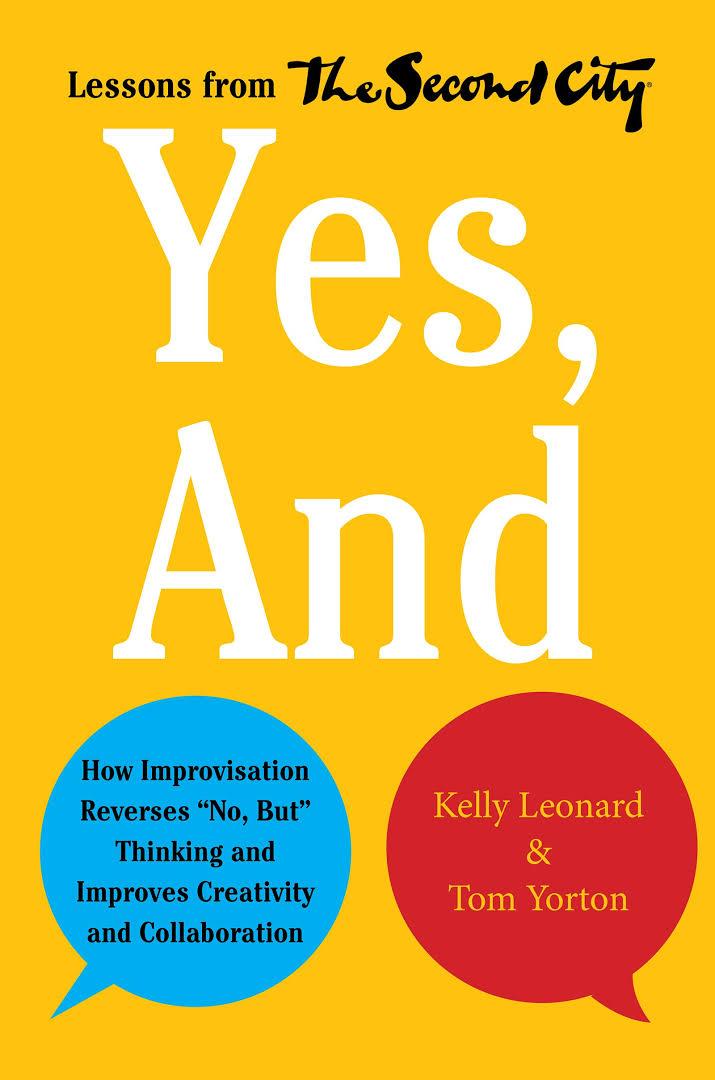
Yes, And
How Improvisation Reverses No, But Thinking and Improves Creativity and Collaboration
Kelly Leonard; Tom Yorton

Business Improv
Experiential Learning Exercises to Train Employees
Val Gee

Brain Disruption
Radical Innovation in Business Through Improv
Bruce Montgomery; Gail Montgomery

The Improv Handbook
The Ultimate Guide to Improvising in Comedy, Theatre, and Beyond
Tom Salinsky; Deborah Frances-White

Something Wonderful Right Away
An Oral History of The Second City and The Compass Players
Jeffrey Sweet

When I Say This, Do You Mean That?
Enhancing Communication
Cherie Kerr; Julia Sweeney
Related Exercises
Here's What I Heard
Here's What I Heard is an applied listening exercise in which one partner speaks briefly about something real -- a current situation, a concern, a recent experience -- and the listener reflects back what they heard in their own words. The speaker then responds to the reflection, noting what the listener captured accurately and what was missed or distorted. The exercise develops active listening, accurate paraphrasing, and the discipline of genuinely receiving another person's communication before responding.
Repetition
Repetition is a paired listening exercise in which participants hold a conversation one sentence at a time, with each person required to repeat their partner's last statement before responding. The exercise forces genuine listening by making the repetition a prerequisite for the reply.
Paraphrase
Paraphrase is a partnered exercise in which each line of dialogue must first reiterate the essence of the scene partner's previous statement before adding new information. The reiteration functions as a literal version of "yes" and the new information serves as the "and." The exercise trains active listening by making it structurally impossible to ignore what a partner has just said, and it reveals how much richer scenes become when performers genuinely hear and acknowledge each other's contributions.
Listen to Understand, Not to Respond
Listen to Understand, Not to Respond is an applied improv exercise that directly targets the most common pattern of inadequate listening in professional settings: the habit of spending the duration of another person's speaking turn formulating a response rather than receiving what is being said. The exercise creates a structured constraint -- participants may not respond until they have first reflected back what they heard to the speaker's satisfaction -- making the response-preparation habit visible and interrupting it through practice.
Last Word, First Word
Last Word First Word is an applied improv listening exercise in which each participant must begin their sentence with the last word spoken by the previous participant, carrying the conversation forward through this chain of shared language. The constraint makes end-of-utterance attention mandatory and creates a visible, audible record of how carefully each participant tracked their partner's contribution before responding.
Three-Second Pauses
Three Second Pauses is an applied exercise in which participants practice inserting a deliberate three-second pause before responding to any question or statement, building the habit of active listening over reactive reply. The pause allows full processing of what was said before generating a response.
The Lineage
Explore the schools and structures that influenced or evolved from What They Said.
The Applied Improvisation Mindset (Dudeck & McClure)
How to Reference This Page
The Improv Archive. (2026). What They Said. Retrieved October 15, 2026, from https://improvarchive.org/exercises/what-they-said
The Improv Archive. "What They Said." The Improv Archive, 2026. https://improvarchive.org/exercises/what-they-said.
The Improv Archive. "What They Said." The Improv Archive, 2026, https://improvarchive.org/exercises/what-they-said. Accessed October 15, 2026.
The Improv Archive is a systemically maintained repository. The archive itself acts as the corporate author.