3 Lines is a scene game in which each performer enters with exactly three predetermined or improvised lines that they must use during the scene. Players weave their fixed lines into the emerging narrative, creating unexpected connections. The constraint generates surprising juxtapositions and trains adaptability.
Structure
Setup
- Each performer enters the game with exactly three lines they must use during the scene.
- Lines may be predetermined (audience-supplied before the scene) or improvised by the performers themselves as they enter.
- An audience suggestion establishes the scene's situation.
The Three-Line Constraint
- Each performer must work all three of their lines into the scene before it ends.
- The lines can be used in any order, at any moment the performer finds an opening.
- A line is used when the performer delivers it as natural dialogue within the scene.
- Unused lines at the end of the scene represent a failure to complete the game's challenge.
How the Scene Works
- The constraint generates surprising juxtapositions: a line that seemed to require a specific context becomes meaningful in a completely different one.
- Finding a natural-feeling moment to deploy a predetermined line trains the ability to find the unexpected connection between what has been set up and what is actually developing.
- The game works best when lines chosen by the audience are wildly unexpected, forcing the performers to find meaning in the collision.
Variations
- Each performer has one line rather than three, making the integration challenge simpler.
- Lines are delivered by the audience on cards, which performers cannot see until they draw them mid-scene.
- Lines must be used exactly as written: no paraphrasing, no approximation.
How to Teach It
How to Explain It
"Each of you has three lines you need to get into this scene. Find the moment when the line fits, or find the moment when making it fit teaches us something. Your job is to use all three before we end. Don't force them. Find the scene that needs them."
Common Notes
- The instinct is to fit lines in mechanically, looking for any opening rather than the right opening. Coach performers to let the lines wait for moments where they can genuinely land.
- A line that seems impossible to use naturally is the most interesting challenge. The more incongruous the line and the scene, the more creative the justification needs to be.
- Performers who panic about unused lines start shoehorning them in clumsily. Trust that the scene will create openings.
Common Pitfalls
- The performer forces a line into a moment where it makes no sense and moves on without justifying it. The integration must feel complete.
- All three lines arrive in the same conversation beat, removing the structural tension of deployment across time.
- The predetermined lines dominate the performers' attention and the scene itself becomes secondary.
How to Perform It
Audience Intro
"Before we start, give us [number of performers] weird or specific phrases. One for each performer. These are their lines. They have to work every one of them into the scene before it ends. You get to see them figure out how. Give us a suggestion for the scene first."
Cast Size
- Ideal: Two to three performers.
- More performers multiply the lines and can make the scene crowded with simultaneous constraint-management.
Staging
- Standard scene staging. No specific arrangement required.
Wrap Logic
- The game ends when all performers have used all three lines, or when the host calls the scene at a strong moment.
- If time allows, the host can reveal how many lines were successfully used as a score.
Worth Reading
See all books →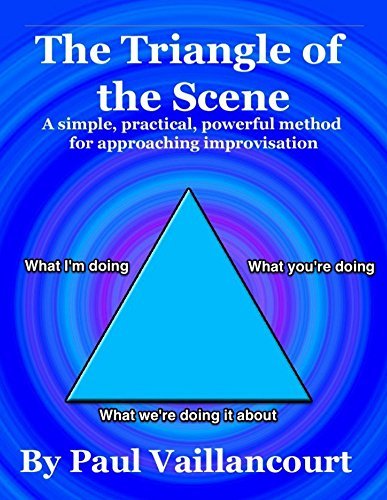
The Triangle of the Scene
A Simple, Practical, Powerful Method for Approaching Improvisation
Paul Vaillancourt
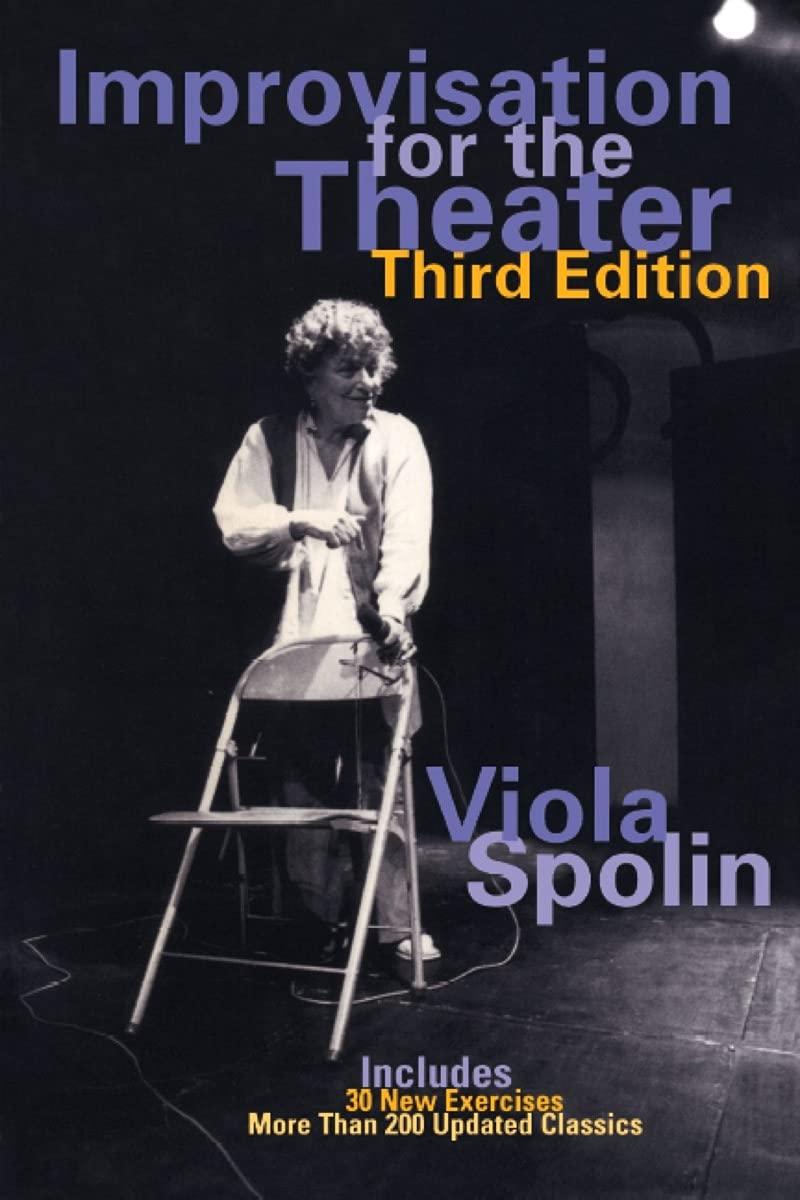
Improvisation for the Theater
A Handbook of Teaching and Directing Techniques
Viola Spolin
Theater Games for Rehearsal
Viola Spolin
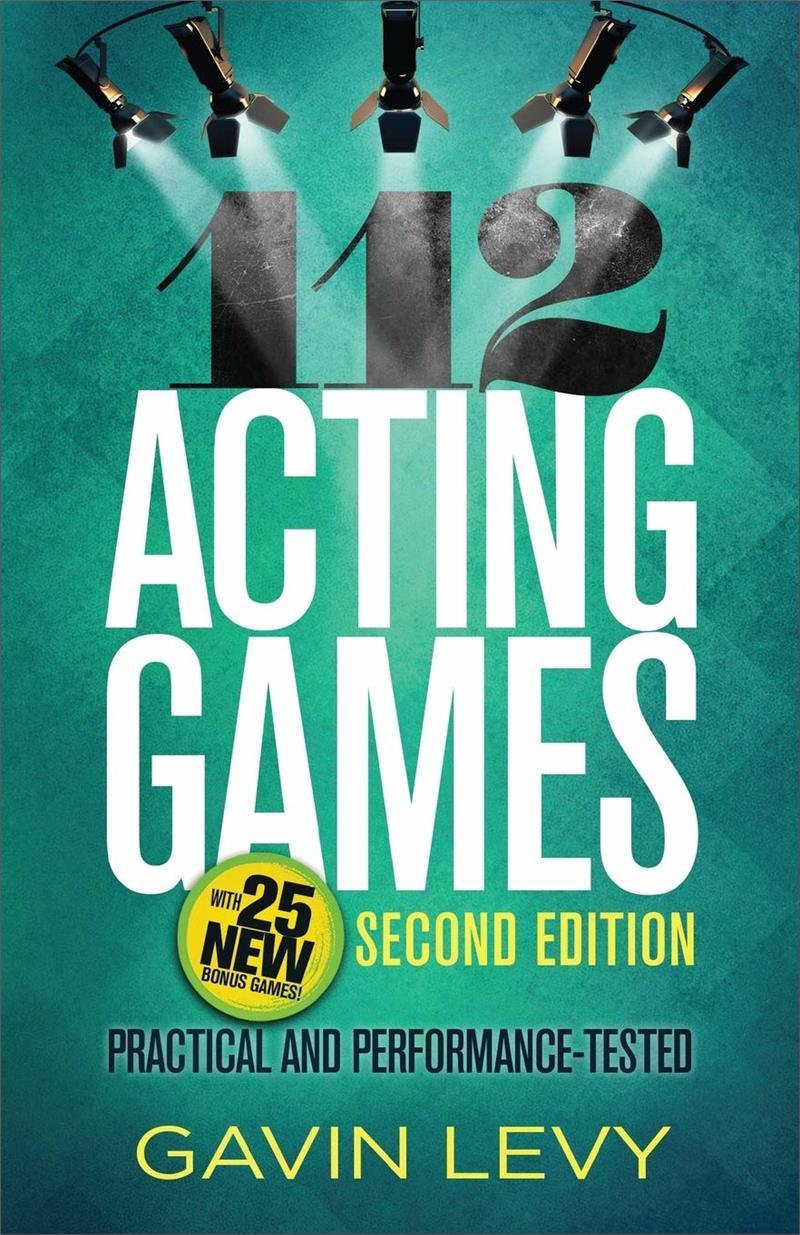
112 Acting Games
Gavin Levy

Drama Games and Improvs
Games for the Classroom and Beyond
Justine Jones; Mary Ann Kelley

Improvising Now
A Practical Guide to Modern Improv
Rob Norman
Related Games
3 Line Scenes
3 Line Scenes is a compact scene drill and short-form game in which two players improvise a scene using only three lines in total. One player starts, the other responds, and the first player answers back. The short limit keeps the round simple, fast, and playable for new improvisers who are getting used to starting scenes in front of a group or audience.
3 Series
3 Series is a short-form game in which three unrelated scenes run simultaneously. The host or caller switches between the scenes, and performers must pick up each thread exactly where it left off. The game tests memory, commitment, and the ability to sustain multiple narratives at once.
How to Reference This Page
The Improv Archive. (2026). 3 Lines. Retrieved September 28, 2026, from https://improvarchive.org/games/3-lines
The Improv Archive. "3 Lines." The Improv Archive, 2026. https://improvarchive.org/games/3-lines.
The Improv Archive. "3 Lines." The Improv Archive, 2026, https://improvarchive.org/games/3-lines. Accessed September 28, 2026.
The Improv Archive is a systemically maintained repository. The archive itself acts as the corporate author.