Death Con
Death Con is a short-form game in which performers play characters who must die onstage in increasingly creative, dramatic, or absurd ways. The audience or host may assign a specific method or style of death, and performers must commit fully to the dying with physical commitment, theatrical specificity, and genuine emotional investment. The game rewards physical bravery, comedic timing, and the willingness to commit to absurdity completely.
Structure
Setup
An audience suggestion establishes either a specific method of death, a location, or an event. Multiple performers may be in play simultaneously or take turns.
The Death
Each performer must produce a death that is specific to the suggestion and physicalized with full commitment. The death should have clear beginning, middle, and end: the cause arrives, the character responds to it, and the dying is completed with some form of final beat.
Variation Options
Variations include: assigned style (die like a soap opera, die like a silent film), assigned genre (western showdown, tragic Shakespeare, anime battle), or competitive death-offs where the audience judges which death was most committed or most creative.
Conclusion
The host wraps when a sufficient number of deaths have been performed, often ending with the most committed or creative death as the final beat.
How to Teach It
Objectives
Death Con targets physical commitment, the willingness to go fully into a theatrical moment without self-protection, and the skill of finding specificity within an absurd constraint. Dying is a useful theatrical exercise because it requires performers to commit completely to a physical and emotional state and then stop -- both the commitment and the ending require discipline.
How to Explain It
"Your character is going to die. The cause is [suggestion]. Make the death specific, committed, and complete. Don't rush it. Don't protect yourself. Die."
Common Pitfalls
The most common drift is performers who produce small, tentative deaths: a slight gesture and then stopping. The game requires full physical commitment to the dying process. A second pitfall is deaths that do not end cleanly; performers should find a specific final image or sound rather than trailing off.
How to Perform It
Audience Intro
"Tonight, our performers are going to die for you. What should they die of?"
Cast Size
Two to six performers, depending on whether deaths are simultaneous or sequential.
Staging
The full stage is available. Deaths should use the whole space rather than staying in one spot.
Pacing
Quick deaths in succession build energy; one extended, highly theatrical death can anchor the game. The best structure varies short punchy deaths with one or two fully elaborated ones.
Wrap Logic
End after a particularly committed or climactic death that functions as a clear finale.
Worth Reading
See all books →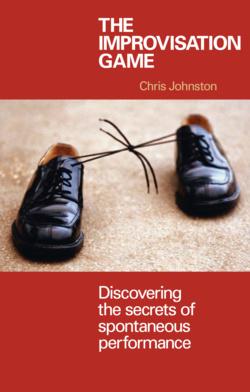
The Improvisation Game
Discovering the Secrets of Spontaneous Performance
Chris Johnston

Drama Games and Improvs
Games for the Classroom and Beyond
Justine Jones; Mary Ann Kelley
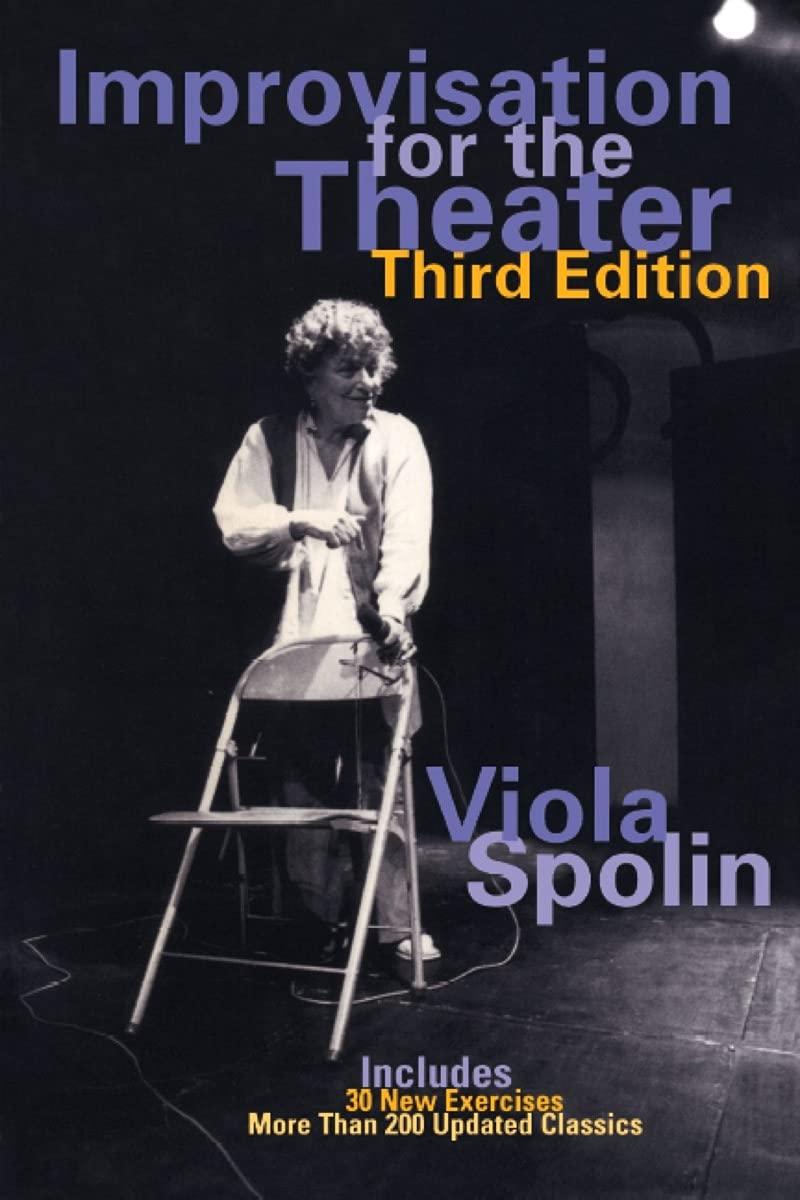
Improvisation for the Theater
A Handbook of Teaching and Directing Techniques
Viola Spolin

The Young Actor's Book of Improvisation
Dramatic Situations
Sandra Caruso; Susan Kosoff

Acting Through Improv
Improv Through Theatresports
Lynda Belt; Rebecca Stockley

Impro for Storytellers
Keith Johnstone
Related Games
Death and Retriever
Death and Retriever is a scene game featuring the Grim Reaper as a character who interacts with mortals in mundane or unexpected situations. The juxtaposition of death's gravity with everyday life creates the game's central comic and dramatic tension: the Reaper must navigate ordinary human exchanges -- disagreements, awkward conversations, customer service encounters -- while maintaining their fundamental identity as death personified.
Exit Game
Exit Game is a short-form scene game in which the last performer to leave the stage at the end of the round wins. The game creates a comedic standoff: performers must find any justification within the scene -- narrative, emotional, physical -- for staying onstage after their scene partners have exited. The longer they remain, the more the justification must escalate. The game rewards commitment to character logic and inventive scene construction.
Murderer
Murderer is a social deduction game in which players move freely around a space while one secretly designated player eliminates others by winking at them. When a player receives a wink, they count silently to five and then perform a dramatic death. Surviving players attempt to identify the murderer before everyone is eliminated. If a player suspects the murderer's identity, they may make an accusation. A wrong accusation eliminates the accuser. The game sharpens observational awareness, rewards bold physical commitment in the death scenes, and builds ensemble energy through the combination of tension, deception, and theatrical dying.
Dry Cleaning Bag of Death
Dry Cleaning Bag of Death is a short-form challenge game in which performers draw slips of paper from a bag, each bearing an increasingly absurd or difficult performance task. Failure to complete the challenge results in theatrical elimination from the round. The randomness of the draw, combined with escalating difficulty, creates suspense and audience investment as the pool of players narrows.
Instruction Manual Die
Instruction Manual Die is a scene game in which performers consult a fictional instruction manual for guidance during a crisis, task, or unfamiliar situation, reading aloud the manual's absurd, contradictory, or incomprehensible instructions and attempting to follow them. The game creates comedy through the gap between the manual's assumed authority and its complete uselessness in the actual situation. The game rewards confident delivery of nonsensical directions and commitment to following instructions that cannot possibly help.
How to Reference This Page
The Improv Archive. (2026). Death Con. Retrieved September 29, 2026, from https://improvarchive.org/games/death-con
The Improv Archive. "Death Con." The Improv Archive, 2026. https://improvarchive.org/games/death-con.
The Improv Archive. "Death Con." The Improv Archive, 2026, https://improvarchive.org/games/death-con. Accessed September 29, 2026.
The Improv Archive is a systemically maintained repository. The archive itself acts as the corporate author.