Instruction Manual Die
Instruction Manual Die is a scene game in which performers consult a fictional instruction manual for guidance during a crisis, task, or unfamiliar situation, reading aloud the manual's absurd, contradictory, or incomprehensible instructions and attempting to follow them. The game creates comedy through the gap between the manual's assumed authority and its complete uselessness in the actual situation. The game rewards confident delivery of nonsensical directions and commitment to following instructions that cannot possibly help.
Structure
Setup
A scene context is established: a crisis, an unfamiliar task, or a situation the characters are poorly equipped to handle. A performer produces the relevant manual -- the emergency evacuation guide, the relationship repair handbook, the alien encounter protocol -- and begins consulting it.
Reading the Manual
The performer reads from the manual aloud. The instructions are specific, confident, and completely unhelpful: step one directs attention to the wrong problem; step two contradicts step one; step three requires materials that are not present; step four is a warning about a different issue entirely.
Following the Instructions
The performers attempt to follow each instruction as literally as possible. Their commitment to the manual's authority -- even as the situation deteriorates -- is the game's core engine. The manual must be obeyed even when obedience is clearly making everything worse.
Escalation
The situation worsens in direct proportion to the group's commitment to following the manual. Each new instruction creates a new complication. The manual may be revealed to be for a different product, in a different language, or clearly written for a different emergency.
Ending
The game ends when the situation has reached a climax of absurd compliance, or when the manual's final instruction produces an irreversible outcome.
How to Teach It
Objectives
Instruction Manual Die trains commitment to a premise under escalating absurdity, the ability to build logic incrementally through non-sequitur, and the physical confidence required to deliver nonsense with absolute authority.
How to Explain It
"The manual is right. It has to be right. Even when it's clearly wrong, the manual is right. Your job is not to question the manual. Your job is to follow the manual -- and to make us believe that if you could just get to step seven, everything would be fine."
Scaffolding
Establish the crisis clearly before introducing the manual, so the gap between the crisis and the manual's guidance is immediately visible. A scene with a very specific problem and a very generic manual produces the clearest comedy.
Common Pitfalls
Performers sometimes play the manual as clearly ridiculous, winking at the audience rather than committing to its authority. The coaching note is that the comedy requires genuine belief: the performers must act as though the manual is their only hope.
How to Perform It
Audience Intro
"When things go wrong, there is always a manual. Tonight's performers have found theirs."
Cast Size
Ideal: 2 to 4 performers. One manual-reader, one to three performers attempting to follow instructions.
Staging
Standard scene staging. The manual is a physical prop -- a binder, a booklet, a large laminated guide -- that can be consulted, referenced, and physically struggled with.
Wrap-Up Logic
End when following the manual produces an outcome that cannot be undone. The final instruction should be the one that makes everything definitively worse.
Worth Reading
See all books →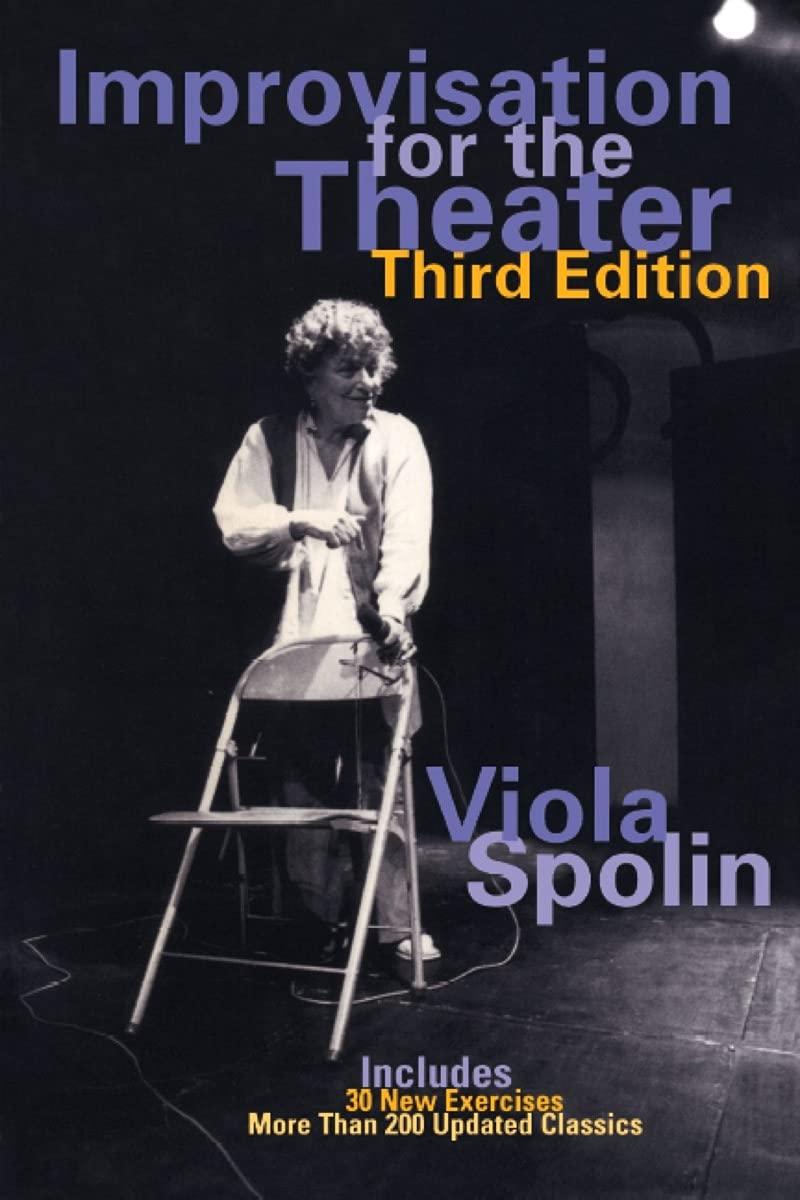
Improvisation for the Theater
A Handbook of Teaching and Directing Techniques
Viola Spolin

Group Improvisation
The Manual of Ensemble Improv Games
Peter Campbell Gwinn; Charna Halpern

The Improv Handbook
The Ultimate Guide to Improvising in Comedy, Theatre, and Beyond
Tom Salinsky; Deborah Frances-White
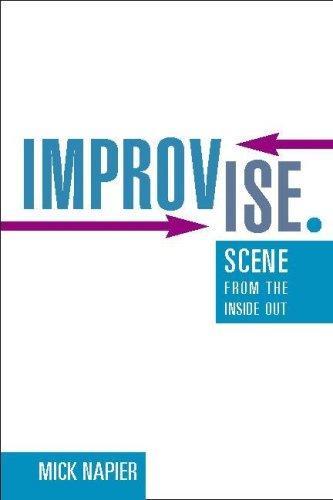
Improvise
Scene from the Inside Out
Mick Napier
Theater Games for Rehearsal
Viola Spolin
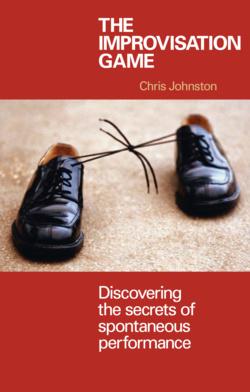
The Improvisation Game
Discovering the Secrets of Spontaneous Performance
Chris Johnston
Related Games
Id
Id is a scene game in which a performer's unfiltered subconscious desires are voiced by a second player, creating a running commentary of primal wants beneath the surface dialogue. The tension between polite conversation and raw impulse generates comedy and dramatic irony. The game highlights the gap between social behavior and inner life.
Death Con
Death Con is a short-form game in which performers play characters who must die onstage in increasingly creative, dramatic, or absurd ways. The audience or host may assign a specific method or style of death, and performers must commit fully to the dying with physical commitment, theatrical specificity, and genuine emotional investment. The game rewards physical bravery, comedic timing, and the willingness to commit to absurdity completely.
Don't Mess with Textus
Don't Mess with Textus is a scene game in which performers incorporate pre-written text -- lines from a play, a manual, a newspaper article, or any fixed document -- into an improvised scene. The challenge lies in making the fixed text feel natural, motivated, and contextually appropriate within the scene's reality rather than inserted or forced. The game trains adaptability, contextual responsiveness, and the ability to find the meaning in given language.
Death and Retriever
Death and Retriever is a scene game featuring the Grim Reaper as a character who interacts with mortals in mundane or unexpected situations. The juxtaposition of death's gravity with everyday life creates the game's central comic and dramatic tension: the Reaper must navigate ordinary human exchanges -- disagreements, awkward conversations, customer service encounters -- while maintaining their fundamental identity as death personified.
Exit Game
Exit Game is a short-form scene game in which the last performer to leave the stage at the end of the round wins. The game creates a comedic standoff: performers must find any justification within the scene -- narrative, emotional, physical -- for staying onstage after their scene partners have exited. The longer they remain, the more the justification must escalate. The game rewards commitment to character logic and inventive scene construction.
How to Reference This Page
The Improv Archive. (2026). Instruction Manual Die. Retrieved September 28, 2026, from https://improvarchive.org/games/instruction-manual-die
The Improv Archive. "Instruction Manual Die." The Improv Archive, 2026. https://improvarchive.org/games/instruction-manual-die.
The Improv Archive. "Instruction Manual Die." The Improv Archive, 2026, https://improvarchive.org/games/instruction-manual-die. Accessed September 28, 2026.
The Improv Archive is a systemically maintained repository. The archive itself acts as the corporate author.