Solo Doors
Solo Doors is a game in which a single performer faces multiple doors, each representing a different scene, character, or situation. As the host or audience calls out a door number, the performer must instantly switch between the distinct worlds behind each door.
Structure
Setup
A single performer stands center stage. The host establishes that there are several doors (typically three to five) arranged across the stage, each designated by number. The audience provides suggestions for what is behind each door: a location, a character type, a situation, or an emotional state.
Play
The host calls out a door number and the performer immediately steps through that imaginary door and into the corresponding scene. Behind door one might be a cooking show. Behind door two, a therapy session. Behind door three, a hostage negotiation. The performer plays all characters in each scenario, establishing distinct voices, physicality, and circumstances for each door.
When the host calls a new door number, the performer freezes the current scene mid-action and switches to the called door, picking up exactly where that scene left off. The rapid switching tests the performer's ability to maintain multiple concurrent narratives and characters.
Building Narrative
Each door's scenario develops over multiple visits. Plot advances each time the performer returns to a door. The cooking show might progress from preparation to a kitchen disaster to a triumphant recovery. The therapy session might build from polite small talk to a breakthrough confession.
Connections
The strongest performances find connections between the separate door scenarios. A phrase from one door echoes in another. A character's problem behind one door is answered by an event behind a different door. These cross-door connections create a satisfying sense of coherence across the seemingly unrelated scenes.
Finale
The game typically builds to a rapid-fire sequence where the host switches between doors at increasing speed, forcing the performer to leap between characters and situations with minimal transition time. The game may conclude with a final moment that ties the door scenarios together.
How to Teach It
Objectives
Solo Doors develops character switching, narrative memory, physical distinctiveness, and solo performance stamina. It trains performers to maintain multiple simultaneous storylines and characters without partner support.
How to Explain It
"You are standing in a hallway with several doors. The audience will tell us what is behind each door. When I call a door number, you step through and play that scene. When I call a different number, you freeze and switch to the new door. Each time you return to a door, pick up exactly where you left off."
Scaffolding
Begin with two doors to reduce the memory load. Once the performer demonstrates the ability to maintain two distinct scenarios, add a third door. Increase the switching speed gradually. Practice the finale sequence of rapid switching only after the performer can handle standard-paced switches.
Common Pitfalls
The most common issue is performers who do not differentiate the doors physically. Coach them to adopt a distinct posture and voice for each door before the game begins. Another pitfall is advancing one door's narrative while neglecting others, creating an imbalance that makes some doors feel underdeveloped.
How to Perform It
Character Distinction
The performer must create immediately recognizable distinctions between the world behind each door. Different physical postures, vocal qualities, and energy levels help the audience track which door is active. A performer who plays all doors with the same energy and voice creates confusion.
Memory and Continuity
The game demands exceptional memory. The performer must remember exactly where each scenario left off, including physical positions, emotional states, and narrative threads. Picking up a door scene in the wrong place breaks the illusion of multiple concurrent realities.
Pacing
The performer should use each visit to a door efficiently, advancing the narrative with clear actions or revelations before the host switches. Extended visits that meander without narrative progress make the switching less dynamic.
Worth Reading
See all books →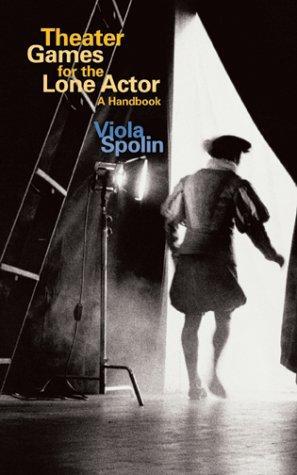
Theater Games for the Lone Actor
Viola Spolin

Group Improvisation
The Manual of Ensemble Improv Games
Peter Campbell Gwinn; Charna Halpern

The Improvisation Game
Discovering the Secrets of Spontaneous Performance
Chris Johnston
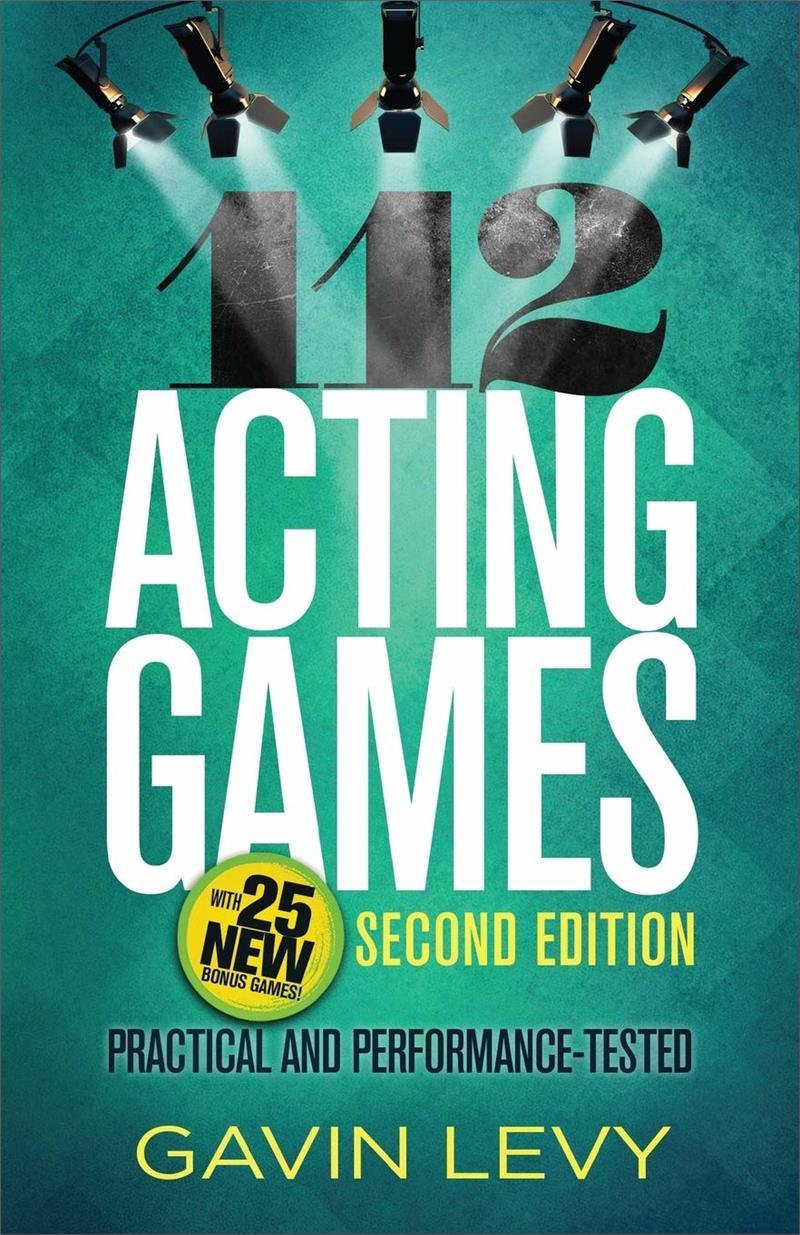
112 Acting Games
Gavin Levy
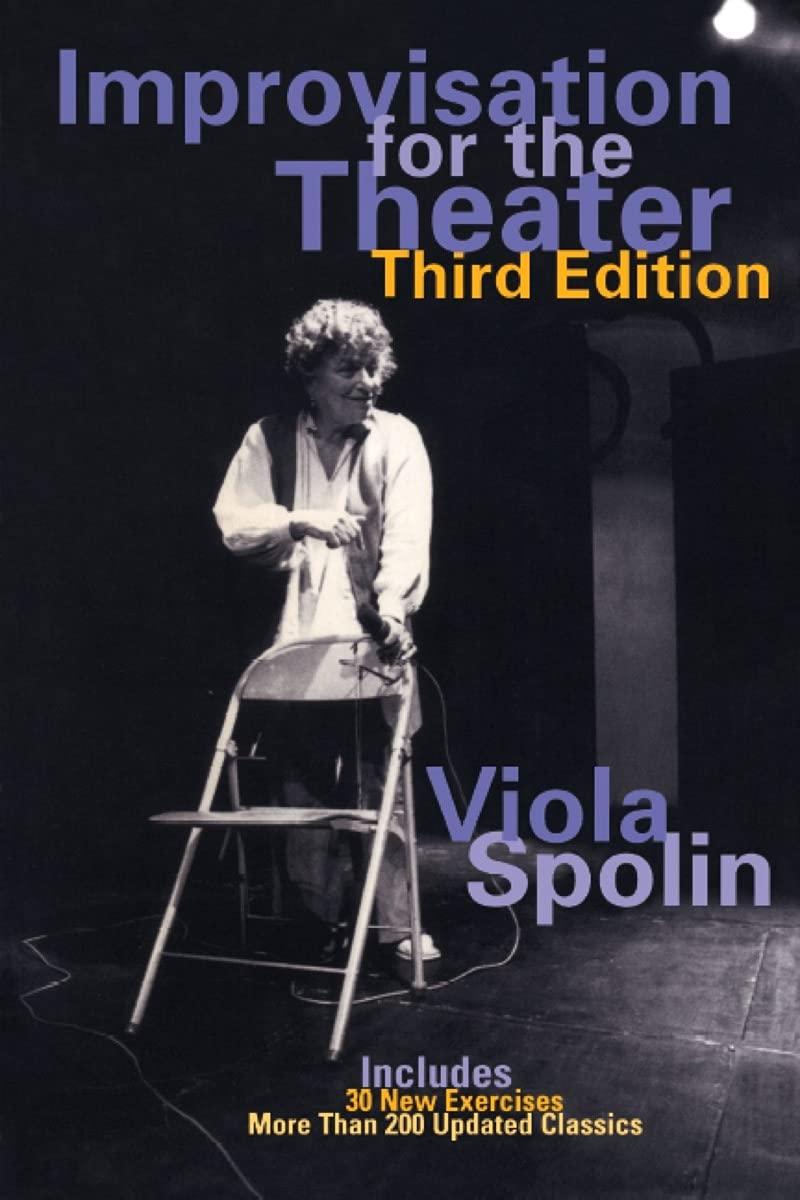
Improvisation for the Theater
A Handbook of Teaching and Directing Techniques
Viola Spolin

Acting Through Improv
Improv Through Theatresports
Lynda Belt; Rebecca Stockley
Related Games
Doors
Doors is a scene game in which performers enter and exit through imagined doors, with each entrance bringing a new character, revelation, or complication. The physical act of entering through a door heightens the theatrical convention and gives each new addition a clear punctuation. The game rewards strong entrance choices and the ability to build on what has already been established.
3 Series
3 Series is a short-form game in which three unrelated scenes run simultaneously. The host or caller switches between the scenes, and performers must pick up each thread exactly where it left off. The game tests memory, commitment, and the ability to sustain multiple narratives at once.
One Voice
One Voice is a game and exercise in which two or more performers speak simultaneously, attempting to produce the same words at the same time without prior coordination. The group must listen intently and follow collective impulses rather than individual intention, producing coherent shared speech as a single entity. The game develops group mind, deep listening, and the capacity to surrender individual control to collective will.
How to Reference This Page
The Improv Archive. (2026). Solo Doors. Retrieved September 28, 2026, from https://improvarchive.org/games/solo-doors
The Improv Archive. "Solo Doors." The Improv Archive, 2026. https://improvarchive.org/games/solo-doors.
The Improv Archive. "Solo Doors." The Improv Archive, 2026, https://improvarchive.org/games/solo-doors. Accessed September 28, 2026.
The Improv Archive is a systemically maintained repository. The archive itself acts as the corporate author.