Haunted House
Haunted House is a scene game in which performers explore a haunted environment, reacting to imagined terrors and building suspense through commitment to the horror genre. The group moves through rooms or areas of the house, with each new space revealing fresh dangers, creatures, or supernatural phenomena. The game rewards physical reactions, vocal work, and the ability to create genuine tension within a comedic framework. The comedy emerges from the contrast between real fear responses and the absurdity of the imagined threats.
Structure
The audience suggests a location or type of haunted house (abandoned mansion, cursed hospital, haunted carnival). Two or more performers enter the space as characters who have a reason to be there: paranormal investigators, lost travelers, teenagers on a dare.
The performers explore the environment through object work and spatial awareness, establishing rooms, corridors, and doorways. Each new area introduces a different threat or phenomenon. One room contains ghostly whispers; another has objects moving on their own; a third reveals a physical creature.
The ensemble creates the haunted effects collaboratively. Offstage performers provide sound effects, appear as ghosts or monsters, or manipulate objects in the space. The onstage performers react to these effects in real time, building the scene through their fear responses.
Tension escalates as the performers move deeper into the house. Early rooms produce mild unease; later rooms produce genuine panic. The game builds toward a climactic encounter in the house's heart: the source of the haunting, the creature's lair, or the room from which there is no escape.
The scene resolves through escape, confrontation, or comedic collapse. Some versions end with the performers fleeing; others end with a twist revelation about the nature of the haunting.
How to Teach It
How to Explain It
"You are all in a haunted house. Not a funny haunted house: a genuinely frightening one. Commit to the reality of this place. When something happens, let it scare you. Your body responds before your mind does. Keep the tone."
Haunted House is an effective game for teaching genre commitment and physical reaction work. Students learn to sustain a consistent tone across an extended scene and to let their physical responses drive the comedy rather than verbal commentary.
Coach performers to build the environment before introducing threats. A detailed, specific haunted house (with creaking floors, cold drafts, and dusty furniture) creates the atmosphere that makes subsequent scares land. Performers who skip the environmental work and jump straight to monsters lose the buildup.
The most common failure is performers commenting on the scene rather than living in it. A performer who says "this is so scary" is describing rather than experiencing. Coach for physical expression of fear rather than verbal acknowledgment.
The game teaches ensemble coordination. The offstage performers creating effects must time their contributions to the onstage performers' exploration. This requires close listening and the ability to read when a scene needs a new scare versus when it needs time to breathe.
How to Perform It
The game lives in the performers' reactions. A haunted house with spectacular effects but flat reactions produces no tension. A haunted house with minimal effects but committed, specific fear responses creates genuine suspense. Performers should invest in the physical experience of fear: quickened breathing, rigid posture, startled jumps, and the instinct to grab a scene partner.
Pacing controls the tension. Moving through rooms too quickly prevents the audience from settling into the atmosphere. Moving too slowly drains the energy. Each room needs enough time to establish its threat and produce a peak reaction before the performers move on.
The horror-comedy balance is the game's central challenge. Playing the scene as pure horror alienates an improv audience expecting laughs. Playing it as pure comedy with no genuine tension wastes the genre's potential. The best performances commit fully to the horror and let the comedy emerge from the performers' humanly imperfect responses to danger.
Sound and lighting effects, when available, significantly enhance the game. A sudden blackout, an unexpected sound cue, or a change in ambient lighting creates real surprise reactions from performers that no amount of acting can replicate.
Worth Reading
See all books →
The Upright Citizens Brigade Comedy Improvisation Manual
Matt Besser; Ian Roberts; Matt Walsh
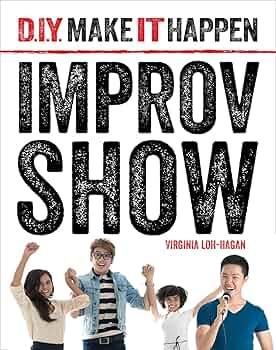
Improv Show
Virginia Loh-Hagan

Improv Ideas
A Book of Games and Lists
Mary Ann Kelley; Justine Jones
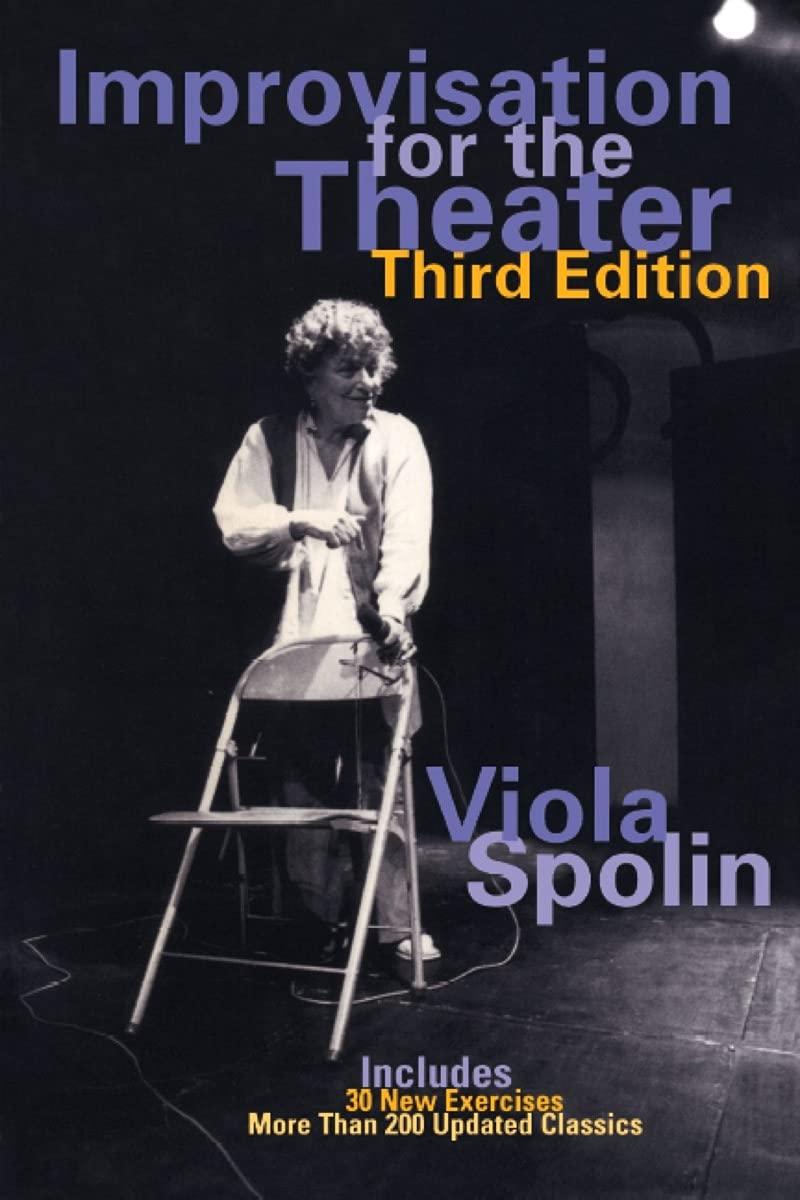
Improvisation for the Theater
A Handbook of Teaching and Directing Techniques
Viola Spolin

Pirate Robot Ninja
An Improv Fable
Billy Merritt; Will Hines
Improvise
Scene from the Inside Out
Mick Napier
Related Games
Nightmare
Nightmare is a short-form game in which performers improvise a surreal, dreamlike scene based on a real fear, anxiety, or story contributed by an audience member or fellow performer. The scene follows dream logic rather than realistic causality, permitting sudden shifts, symbolic imagery, exaggerated repetition, and uncanny atmosphere. The game rewards bold emotional commitment, physical specificity, and the ability to sustain theatrical unreality over several minutes.
Coming Home
Coming Home is a scene game built around the dramatic premise of a character returning to a familiar place after an absence. The emotional weight of homecoming, the tension between memory and present reality, and the specifics of what has changed during the absence provide natural dramatic material without requiring an external gimmick. The game rewards grounded, emotionally honest performance, attention to the physical details of place, and the ability to build a relationship through discovered information rather than predetermined plot. Coming Home demonstrates that strong improv scenes emerge from simple, emotionally resonant premises.
Doors
Doors is a scene game in which performers enter and exit through imagined doors, with each entrance bringing a new character, revelation, or complication. The physical act of entering through a door heightens the theatrical convention and gives each new addition a clear punctuation. The game rewards strong entrance choices and the ability to build on what has already been established.
Motel
Motel is a short-form game set in a motel room where a succession of increasingly unusual guests check in one after another. Each new arrival brings a distinct character trait, problem, or situation that the existing occupants must accommodate or confront. The single room becomes a pressure cooker as incompatible characters are forced to share the space. The game rewards strong character entrances, the ability to build comedic chaos through accumulation, and the ensemble skill of managing an increasingly crowded stage.
Airplane
Airplane is a short-form scene game set aboard a commercial flight, where the confined setting and diverse passenger types create natural comic friction. Players adopt distinct characters whose quirks, fears, and agendas collide in the tight quarters of an aircraft cabin. The game exploits the inherent tension of air travel, where strangers with incompatible personalities are forced into close proximity with no escape. Character choices drive the comedy, as each performer establishes a clear behavioral pattern that escalates through interaction with the other passengers. The game rewards strong initiations, commitment to character, and the ability to build group dynamics in a shared environment.
Cocktail Party
Cocktail Party is a multi-scene ensemble exercise and game in which several pairs of performers simultaneously engage in separate conversations at an imagined social gathering. The overlapping dialogues create a rich, layered environment in which performers must maintain their own character and scene while tracking the conversations happening around them. As connections emerge between the separate conversations, performers weave themes, characters, and references across the pairs. The game trains ensemble awareness, the ability to sustain a character in the background, and the skill of recognizing shared themes and patterns across simultaneous scenes. As described in Truth in Comedy, the Cocktail Party allows performers to explore the value of connections in improvisation.
How to Reference This Page
The Improv Archive. (2026). Haunted House. Retrieved September 28, 2026, from https://improvarchive.org/games/haunted-house
The Improv Archive. "Haunted House." The Improv Archive, 2026. https://improvarchive.org/games/haunted-house.
The Improv Archive. "Haunted House." The Improv Archive, 2026, https://improvarchive.org/games/haunted-house. Accessed September 28, 2026.
The Improv Archive is a systemically maintained repository. The archive itself acts as the corporate author.