Points of Concentration
Viola Spolin's term for the specific focus or problem that an exercise is designed to develop. Every Spolin exercise has a point of concentration: the particular skill, awareness, or capacity that the exercise trains. By directing attention to a single focus (space, object, relationship), the player solves the problem of the exercise through direct experience rather than intellectual analysis.
In Viola Spolin's approach to improvisation training, every exercise is built around a single, clearly defined focus that she termed the Point of Concentration. This concept serves as the organizing principle of her entire pedagogical system: rather than giving performers intellectual instructions about how to act, the Point of Concentration directs their attention toward a specific problem to be solved through direct experience. The player's task is not to think about the exercise but to engage with its focal challenge, whether that involves spatial awareness, object work, relationship dynamics, or sensory perception.
Spolin developed the Point of Concentration as part of her theater games methodology, which she codified most fully in her 1963 book "Improvisation for the Theater." Drawing on her background with Neva Boyd's recreational training methods, Spolin sought an alternative to the intellectualized actor training that dominated mid-twentieth-century American theater. She recognized that when performers are given a concrete problem to solve, self-consciousness recedes and genuine stage behavior emerges organically. The Point of Concentration provided that concrete problem. Each exercise in her system isolates a particular capacity: one game might focus entirely on establishing Where through physical objects, another on communicating relationship without dialogue, another on heightening sensory awareness. By narrowing attention to a single element, the player develops that capacity without the interference of trying to "perform" or "be good."
In teaching practice, the Point of Concentration is typically established before an exercise begins. The sidecoach identifies the specific focus for the group, often through brief discussion. As Spolin described in her work on the Where, a teacher might hold a discussion to establish that the primary Point of Concentration is the physical environment, with Who and What serving as secondary concerns. During the exercise itself, sidecoaching calls redirect players back to the Point of Concentration whenever they drift. "Focus on the Where" or "Let the space work for you" are characteristic sidecoaching phrases that anchor players in the exercise's intended challenge. This process of continual redirection trains performers to sustain focused attention under the pressure of improvisation.
A common misunderstanding among students is treating the Point of Concentration as a rule to be followed rather than a problem to be explored. When players approach the focus intellectually, attempting to demonstrate their understanding of it, they lose the experiential quality that makes the concept effective. The distinction is subtle but essential: the Point of Concentration works precisely because it occupies the conscious mind with a solvable problem, freeing the intuitive and creative faculties to operate without censorship. Players who "try to do it right" are working against the mechanism rather than with it.
The concept connects directly to several other foundational ideas in Spolin's system. It is inseparable from sidecoaching, which exists primarily to keep players on their Point of Concentration. It also underpins her approach to the Where, Who, and What framework, as each of these elements can serve as a Point of Concentration depending on the exercise. More broadly, the concept reflects Spolin's conviction that learning happens through direct physical experience rather than through explanation or demonstration, a principle that influenced generations of improvisers and teachers far beyond her own students.
Further Reading
See all books →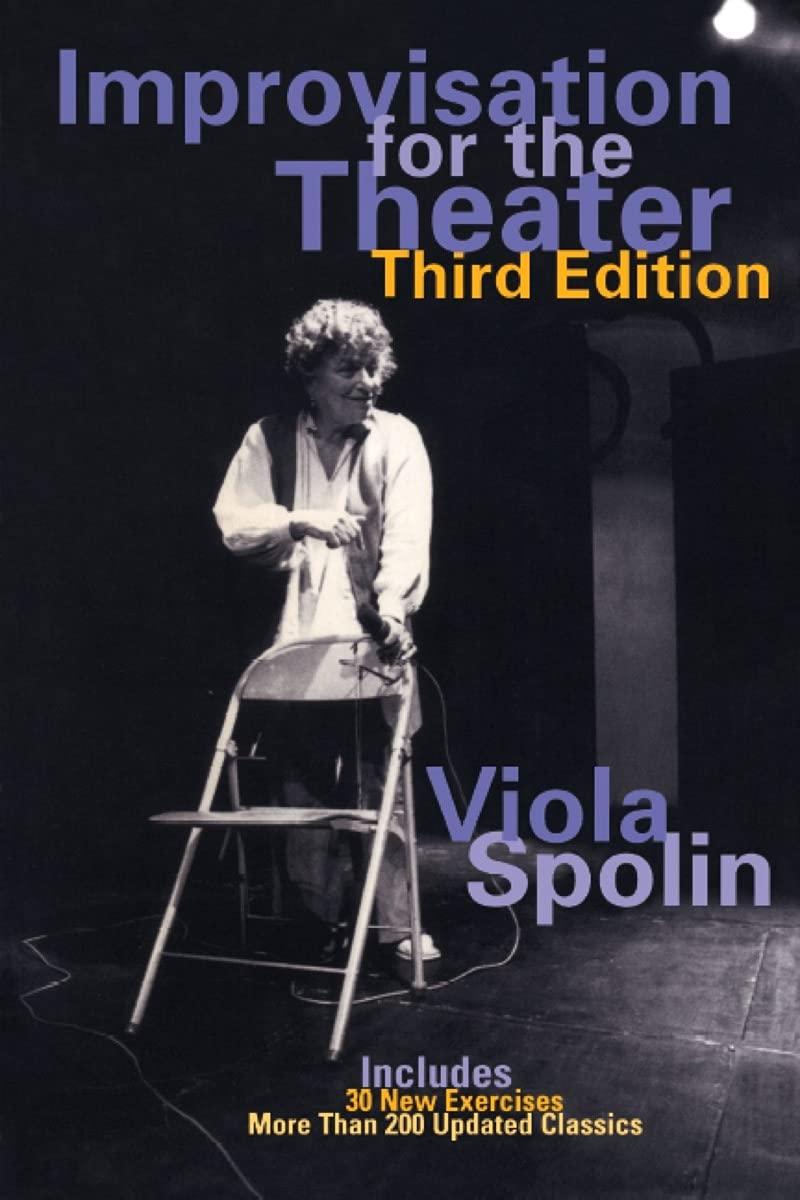
Improvisation for the Theater
A Handbook of Teaching and Directing Techniques
Viola Spolin
Theater Games for Rehearsal
Viola Spolin
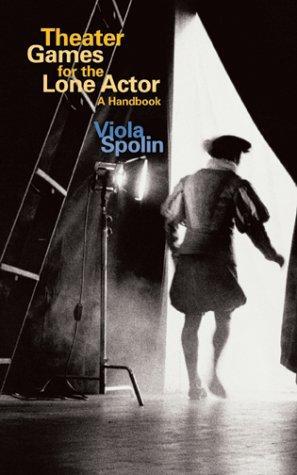
Theater Games for the Lone Actor
Viola Spolin
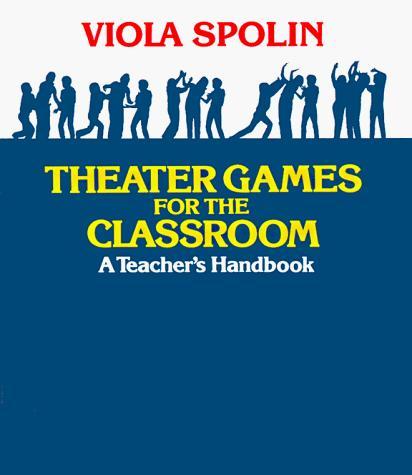
Theater Games for the Classroom
Viola Spolin

Book on Acting
Improvisation Technique for the Professional Actor in Film, Theater & Television
Stephen Book
Improvise
Scene from the Inside Out
Mick Napier
How to Reference This Page
The Improv Archive. (2026). Points of Concentration. Retrieved September 28, 2026, from https://improvarchive.org/learn-improv/concepts/points-of-concentration
The Improv Archive. "Points of Concentration." The Improv Archive, 2026. https://improvarchive.org/learn-improv/concepts/points-of-concentration.
The Improv Archive. "Points of Concentration." The Improv Archive, 2026, https://improvarchive.org/learn-improv/concepts/points-of-concentration. Accessed September 28, 2026.
The Improv Archive is a systemically maintained repository. The archive itself acts as the corporate author.