One Line Scene
One Line Scene is a scene-building exercise in which two or more performers create a complete scene using only one line of dialogue each. The constraint forces performers to make every word count, to communicate volumes through subtext, physicality, and relationship, and to find the essence of a scene without the luxury of extended dialogue.
Structure
Setup
Two performers take the stage. The facilitator explains the constraint: each performer may speak only one line of dialogue during the entire scene. Everything else must be communicated through physical behavior, spatial relationship, gesture, and silence.
Progression
The performers begin by establishing the physical environment and their relationship to each other through movement and body language alone. When a performer speaks their single line, it should carry the weight of the entire scene -- revealing character, relationship, and emotional stakes in a single statement.
The scene unfolds primarily in silence. The physical life of the scene -- how the performers move, where they position themselves, what they do with their hands and faces -- becomes the primary storytelling medium. The two lines of dialogue, when they come, land with heightened impact because of the silence surrounding them.
Conclusion
The scene ends naturally after both lines have been delivered and the performers have allowed the moment to resolve physically. The facilitator may follow with a brief discussion of what the audience understood from the scene and how much was communicated without words.
How to Teach It
Objectives
One Line Scene trains economy of language, physical storytelling, and the understanding that dialogue is most powerful when it is rare and purposeful. It corrects the tendency to over-talk in scenes.
How to Explain It
"You each get one line. One. Use everything else -- your body, your face, your position in the room, the objects around you -- to tell the story. When your one line comes, make it matter."
Scaffolding
Begin by allowing performers to choose when to deliver their line, giving them control over timing. For advanced groups, the facilitator can assign the moments: "You must speak your line within the first ten seconds" or "Your line must come last." A further variation assigns one performer zero lines, requiring them to do the entire scene through physicality while their partner carries the single verbal beat.
Common Pitfalls
Performers often deliver their line too early, before the physical scene has established enough context for the line to carry meaning. Coach them to earn the line -- build the physical world first, then let the words land into that world. A second pitfall is performers treating the exercise as a normal scene and then awkwardly going silent after their one line; the silence should feel intentional and active throughout, not like a constraint imposed from outside.
Worth Reading
See all books →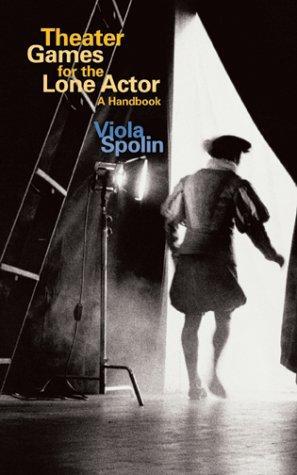
Theater Games for the Lone Actor
Viola Spolin
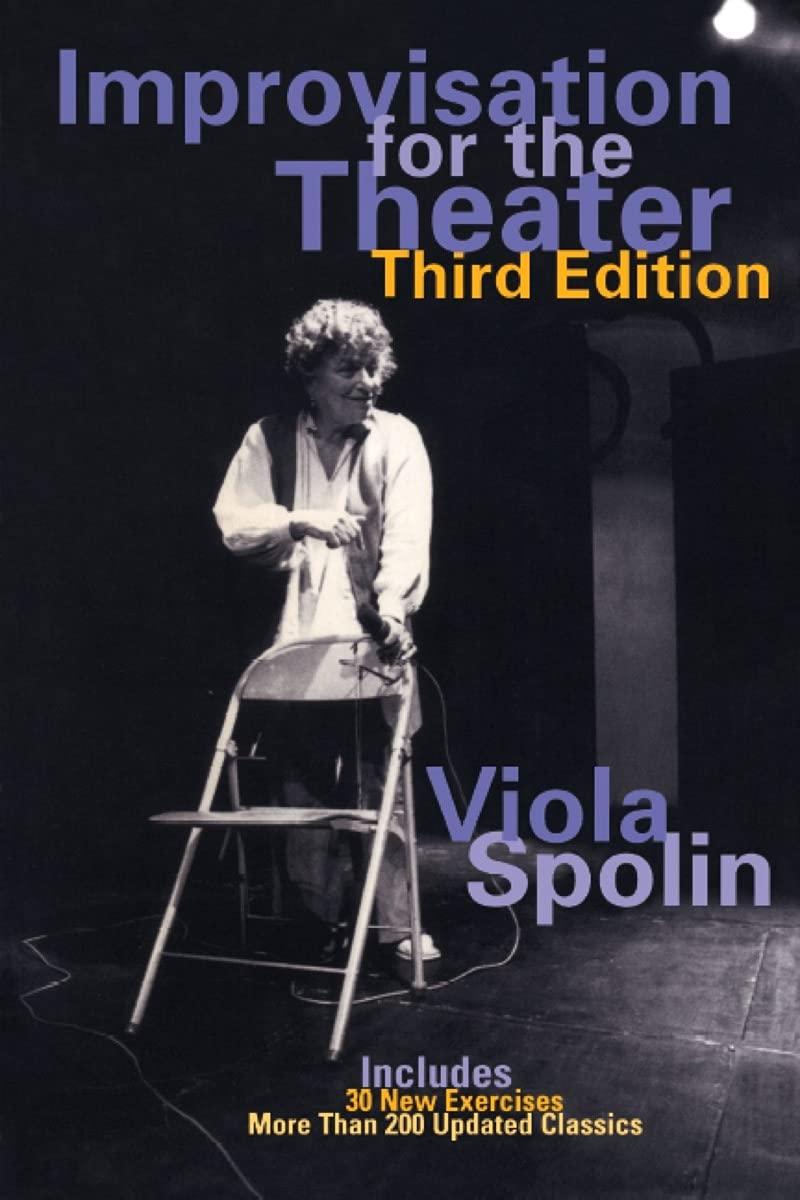
Improvisation for the Theater
A Handbook of Teaching and Directing Techniques
Viola Spolin
Theater Games for Rehearsal
Viola Spolin

Book on Acting
Improvisation Technique for the Professional Actor in Film, Theater & Television
Stephen Book

Mask Improvisation for Actor Training and Performance
the compelling image
Sears A. Eldredge

The Young Actor's Book of Improvisation
Dramatic Situations
Sandra Caruso; Susan Kosoff
Related Exercises
Three Line Scenes
Three Line Scenes is an exercise in which pairs of performers create complete scenes using exactly three lines of dialogue each, totaling six lines. The extreme compression demands that every line establish character, relationship, environment, and conflict simultaneously, developing the skill of maximum impact with minimum words.
One Line at a Time
One Line at a Time is an applied improvisation exercise in which a group constructs a story, plan, or document collaboratively, with each participant contributing exactly one line before passing to the next person. The strict rotation ensures equal participation, prevents any single voice from dominating, and trains the group to build coherently on each other's contributions rather than steering toward individual agendas.
One Voice
One Voice is a game and exercise in which two or more performers speak simultaneously, attempting to produce the same words at the same time without prior coordination. The group must listen intently and follow collective impulses rather than individual intention, producing coherent shared speech as a single entity. The game develops group mind, deep listening, and the capacity to surrender individual control to collective will.
Three Line Solo
Three Line Solo is an exercise in which a single performer delivers a complete monologue in exactly three lines, establishing character, situation, and emotional truth in minimal words. The constraint pushes performers toward essential specificity and away from the habit of building to meaning through extended warm-up.
One-Word Sentence
One Word Sentence is an applied improvisation exercise in which a group constructs sentences collaboratively, with each participant contributing exactly one word at a time. The exercise trains deep listening, the ability to release individual control over direction, and the practice of building shared meaning one unit at a time.
Two Players -- One Voice
Two Players One Voice is an applied exercise in which two participants speak simultaneously as a single character, committing to matching word choices, rhythm, and volume in real time, training deep listening, surrender of individual agenda, and the construction of shared voice.
How to Reference This Page
The Improv Archive. (2026). One Line Scene. Retrieved September 28, 2026, from https://improvarchive.org/exercises/one-line-scene
The Improv Archive. "One Line Scene." The Improv Archive, 2026. https://improvarchive.org/exercises/one-line-scene.
The Improv Archive. "One Line Scene." The Improv Archive, 2026, https://improvarchive.org/exercises/one-line-scene. Accessed September 28, 2026.
The Improv Archive is a systemically maintained repository. The archive itself acts as the corporate author.