Joyce Sloane was the executive producer of The Second City for nearly fifty years, serving as the institutional backbone of Chicago's most important comedy theatre from her arrival in 1961 until her death in 2011. Known as the den mother of American comedy, Sloane discovered, nurtured, and promoted generations of performers who became the dominant figures in American film and television comedy, including John Belushi, Gilda Radner, Bill Murray, Chris Farley, Tina Fey, Stephen Colbert, Steve Carell, and Mike Myers. She founded The Second City Touring Companies, established the e.t.c. stage, and co-founded The Second City Toronto, making her one of the most consequential figures in the institutional history of American improvisation.
Career
In the winter of 1961, Sloane walked into the lobby of The Second City on Wells Street in Chicago and proposed to co-founder Bernie Sahlins that she handle group sales for the theatre. With no background in entertainment, she proved her value by selling out a full week of preview shows. That initiative launched a career at The Second City that lasted nearly fifty years and spanned roles from group sales representative to Associate Producer, Executive Producer, and ultimately Producer Emeritus.
Sloane's most consequential institutional contribution was founding The Second City Touring Companies, which became the primary pipeline through which emerging performers entered the main stage ensemble. The touring system gave young comedians extended performance experience before audiences across North America while simultaneously expanding The Second City's brand presence beyond Chicago. She also established the e.t.c. (etc.) stage, creating a second performance venue at the Wells Street location that gave additional performers and directors the opportunity to develop new revues.
Sloane co-founded The Second City Toronto, extending the institution's reach into Canada and establishing what became a major independent operation that produced its own generational talent including Dan Aykroyd, John Candy, Catherine O'Hara, Martin Short, and Mike Myers. Her institutional reach gave The Second City a three-city footprint that no other American improv organization matched during her tenure.
Her talent identification became legendary within the American comedy industry. She is credited with discovering or championing John Belushi, Jim Belushi, Gilda Radner, Bill Murray, Chris Farley, Bonnie Hunt, Tina Fey, Stephen Colbert, Nia Vardalos, Steve Carell, and Mike Myers among others. Her role was not limited to casting or producing; she served as a personal advocate and support system for performers navigating the transition from ensemble improv to the pressures of individual fame.
Beyond The Second City, Sloane served as Associate Producer of the 1971 Tony Award-winning Broadway production of Borstal Boy. She was a founding member of Victory Gardens Theater and co-founded the League of Chicago Theatres. She served on the boards of Chicago Shakespeare Theatre, Steppenwolf Theatre, Northlight Theatre, and the National Jewish Theatre from 1993 to 1996. She was also a founding member of the AIDS Foundation of Chicago.
Historical Context
Sloane's fifty-year tenure at The Second City spans the entire arc of modern American improvisational comedy. She arrived in 1961, just two years after Sahlins, Paul Sills, and Howard Alk had opened the theatre. She was still active when the institution celebrated its fiftieth anniversary. No other individual besides Sahlins himself maintained such continuous involvement with The Second City across so many decades.
Her creation of the touring companies fundamentally changed how The Second City functioned as a talent pipeline. Before the touring system, performers joined the main stage ensemble through auditions and workshop development. The touring companies created a structured apprenticeship in which younger performers could develop their skills on the road before earning a main stage position. This system produced the majority of The Second City's most famous alumni from the 1970s onward and was later imitated by other institutions.
Sloane's institutional influence extended beyond programming into the economics and civic positioning of Chicago theatre. Her co-founding of the League of Chicago Theatres and her board service at Steppenwolf, Chicago Shakespeare, and Victory Gardens placed The Second City within a broader ecosystem of legitimate Chicago theatre rather than allowing it to be classified as a comedy club. This positioning had lasting effects on how improvisational comedy was perceived by funders, press, and audiences in the city where the form was invented.
Legacy
Sloane received the Special Joseph Jefferson Award in 1979, the Chicago Improv Festival Lifetime Achievement Award in 2002, and the Illinois Arts Alliance Sydney R. Yates Lifetime Achievement Award. These honors recognized her as the most important behind-the-scenes figure in the history of American improvisational comedy.
Her influence on American entertainment extends through the careers of the performers she championed. The combined filmography and television output of the artists she discovered at The Second City constitutes a significant portion of American comedy production from the 1970s through the 2020s. Saturday Night Live, in particular, drew heavily from the talent pool that Sloane cultivated through the touring companies and main stage.
Sloane died on February 3, 2011, at the age of eighty. Her daughter Cheryl Sloane and grandson Sasha Sloane survived her. The comedy industry's response to her death reflected her centrality to the institution: tributes from performers, directors, and producers described her not merely as a colleague but as the person who had made their careers possible. The Second City's continuing touring company system and multi-city institutional model remain direct expressions of the organizational vision she built.
Early Life and Training
Born Joyce Coval in June 1930 in Chicago, Illinois, Sloane grew up in a family with no documented connection to the performing arts. Her father George Coval worked in the printing industry. She had a brother, Danny Coval.
Companies and Organizations
Associated venues and institutional relationships currently documented in the archive.
Recommended Reading
Books are ordered from the strongest direct connection outward to broader relevance.

Something Wonderful Right Away
An Oral History of The Second City and The Compass Players
Jeffrey Sweet

The Art of Chicago Improv
Short Cuts to Long-Form Improvisation
Rob Kozlowski
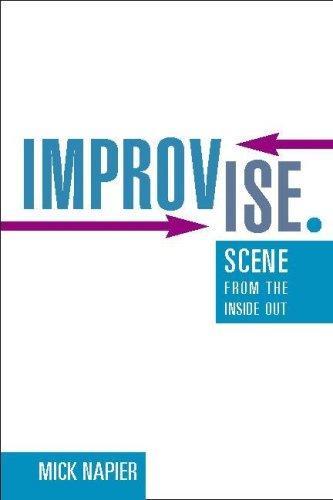
Improvise
Scene from the Inside Out
Mick Napier

The Second City Unscripted
Revolution and Revelation at the World-Famous Comedy Theater
Mike Thomas

Long Form Improvisation and American Comedy
The Harold
Matt Fotis
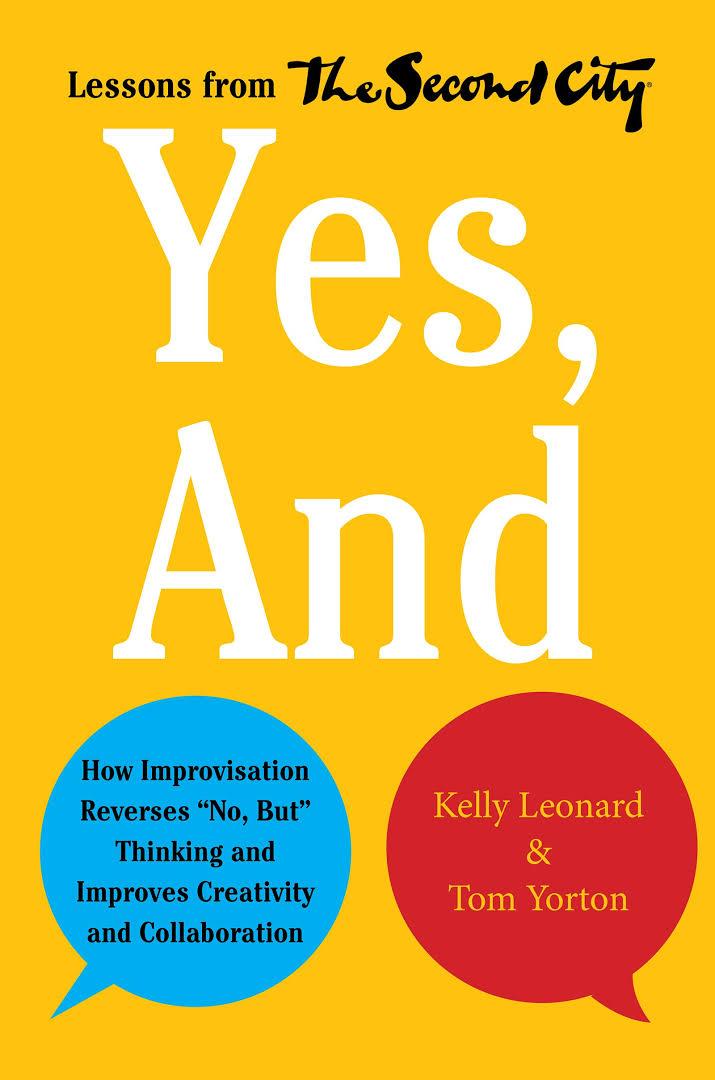
Yes, And
How Improvisation Reverses No, But Thinking and Improves Creativity and Collaboration
Kelly Leonard; Tom Yorton
References
In the Archive
How to Reference This Page
The Improv Archive. (2026). Joyce Sloane. Retrieved September 28, 2026, from https://improvarchive.org/people/joyce-sloane
The Improv Archive. "Joyce Sloane." The Improv Archive, 2026. https://improvarchive.org/people/joyce-sloane.
The Improv Archive. "Joyce Sloane." The Improv Archive, 2026, https://improvarchive.org/people/joyce-sloane. Accessed September 28, 2026.
The Improv Archive is a systemically maintained repository. The archive itself acts as the corporate author.